Date Window and Sequence
Jingzhe, Awakening of Insects, usually falls around March 5-7. It comes after Rain Water and before Spring Equinox. A published solar-term table should be checked when the current year's date matters for a calendar, lesson, or article. The term belongs to the solar-term sequence, not to a lunar festival date.
The sequence gives the term its job. Rain Water introduces moisture and thawing. Jingzhe adds the idea that hidden life begins to stir, often through thunder imagery. Spring Equinox then brings day-night balance. Reading the terms in order keeps Jingzhe from becoming just another spring synonym.
That order also helps someone choose the right next step. If the question is still about damp soil, stay with Rain Water. If it is about thunder, field awakening, insects, or spring listening, Jingzhe is the better fit. If the question has moved to equal daylight or egg balancing, the person is already approaching Spring Equinox.
Date window and sequence for Jing Zhe guide uses around March 5-7 as the calendar footing. Place Jingzhe between Rain Water and Spring Equinox. Once the table date is settled, the section can add one meal, observation, or family use without pretending the example defines the term.
Date window sequence for term Jing Zhe begins with the timing question and then narrows. The usable context is around March 5-7; pears, stir-fried greens; listen for thunder should be local and cautious; start classroom nature journals gives children a steady way to notice warming soil without forcing outdoor plans.; Some southern regions connect the term with thunder customs; northern places may still feel wintry.. That keeps pears and listen for thunder from being treated as substitutes for the date.
Date window sequence setting for term Jing Zhe keeps Jing Zhe guide seasonal before it turns ceremonial. It can point to food, plants, daylight, rain, heat, cold, or classroom observation, but local climate and exact-year timing still decide how it is used.
Pears, Greens, and Seasonal Taste
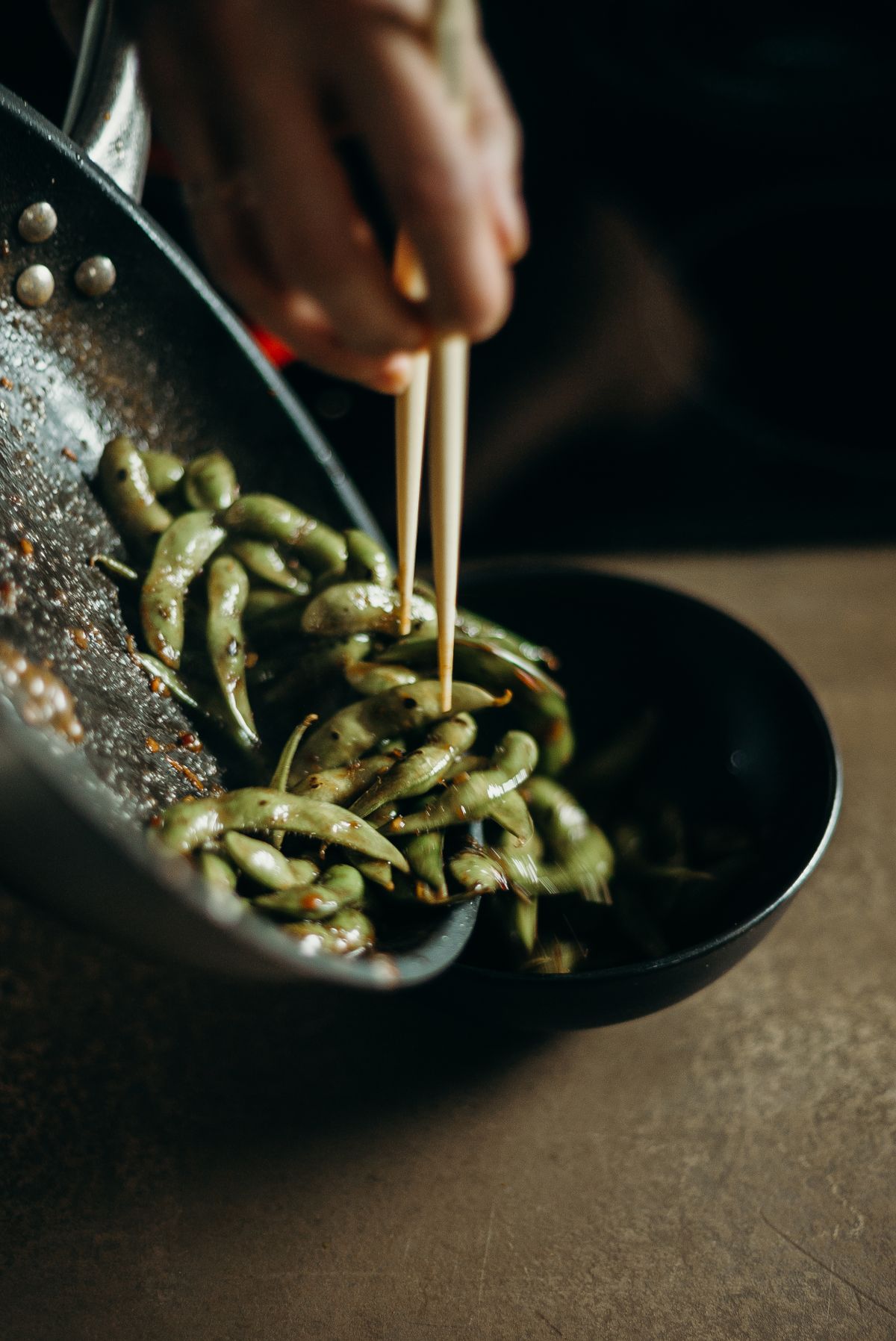
Pears and stir-fried greens can appear in Jingzhe explanations. Pears may be used as a seasonal food image in some accounts, while greens fit the broader spring table. These examples can help someone make the term tangible, but they should not become a diet rule or medical claim. Food here is cultural orientation, not treatment advice.
A usable food note can say: choose one safe, local, simple spring food and explain why it belongs to the observation. A classroom may use a pear only if allergies, cutting, and portions are handled. A family may cook greens because they are available. A menu may name Jingzhe as inspiration. The food remains clear when it points back to awakening, not when it pretends to cure seasonal problems.
Pears, greens, and seasonal taste for Jing Zhe guide starts with the spring cue behind Jing Zhe. Handle food examples as symbolic and regional. Compare the old seasonal name with local weather before adding pears or listen for thunder, because the same term can feel different by region.
Pears greens seasonal for term Jing Zhe starts with the old seasonal image. Pears greens seasonal should keep around March 5-7; pears, stir-fried greens; listen for thunder should be local and cautious; start classroom nature journals gives children a steady way to notice warming soil without forcing outdoor plans.; Some southern regions connect the term with thunder customs; northern places may still feel wintry. Visible. Match that image against local conditions before adding pears, listen for thunder, or a classroom comparison.
Pears greens seasonal setting for term Jing Zhe keeps Jing Zhe guide seasonal before it turns ceremonial. It can point to food, plants, daylight, rain, heat, cold, or classroom observation, but local climate and exact-year timing still decide how it is used.
Nature Journals and Listening Activities
Jingzhe is especially strong for observation activities. A family can listen for thunder, record birds, look for buds, compare soil warmth, or start a small nature journal. A classroom can ask students to note what is waking up locally and what is still dormant. The activity works even if insects are not visible because the question is seasonal change.
Observation also keeps the activity safe. There is no need to handle insects, disturb nests, dig in unsafe soil, or claim a local ecosystem follows the Chinese calendar exactly. Students can compare the term's name with local evidence. That comparison teaches both culture and place: the solar term gives a vocabulary, while the person's environment supplies the evidence.
Urban people can use a balcony plant, street tree, park path, sound recording, or weather log instead of a field. This keeps the activity accessible without pretending every family has a garden. The point is to notice the first convincing signs of movement and then describe how they match or differ from the Jingzhe name.
Nature journals and listening activities for Jing Zhe guide keeps Jing Zhe close to one concrete use. Turn Jingzhe into a concrete family or classroom action. A food note, observation, class prompt, or neighboring-term comparison needs a different next step.
Nature journals listening for term Jing Zhe uses the current section as a date-and-use check. Nature journals listening uses around March 5-7; pears, stir-fried greens; listen for thunder should be local and cautious; start classroom nature journals gives children a steady way to notice warming soil without forcing outdoor plans.; Some southern regions connect the term with thunder customs; northern places may still feel wintry.. Let pears and listen for thunder appear only after the timing and local cue are readable.
Common Misreads Around Jingzhe
The first mistake is treating Awakening of Insects as a biological guarantee. Insects may wake earlier, later, or not visibly at all depending on climate. The second mistake is using thunder imagery as a weather forecast. The third is turning pears into health advice. The fourth is writing Jingzhe as a general spring festival with no date table or observation question.
A better explanation asks what the person is trying to do. Date lookup belongs to the solar-term finder. Food examples belong to the food page. Family observation belongs to the activity page. Climate interpretation belongs to local evidence. Jingzhe itself holds the cultural image: hidden life stirring after rain and before equinox balance.
Common misreads around jingzhe for Jing Zhe guide should start with what can be checked this year or noticed in this place. Name the mistakes that make the term too literal or too vague. Add pears or listen for thunder only when it helps that one point.
Common misreads around for term Jing Zhe should let one detail lead. Common misreads around should keep around March 5-7; pears, stir-fried greens; listen for thunder should be local and cautious; start classroom nature journals gives children a steady way to notice warming soil without forcing outdoor plans.; Some southern regions connect the term with thunder customs; northern places may still feel wintry. Visible. The paragraph can start from date, pears, listen for thunder, or local weather, but it needs to say which claim is being tested.
Common misreads around setting for term Jing Zhe keeps Jing Zhe guide seasonal before it turns ceremonial. It can point to food, plants, daylight, rain, heat, cold, or classroom observation, but local climate and exact-year timing still decide how it is used.
Where To Read Next
Open Rain Water when the question is moisture, thaw, and early-spring rain. Open Spring Equinox when the question becomes day-night balance or egg activities. Open the Jingzhe food entry when pears or greens are the main question. Open the Jingzhe activity entry when nature journals, thunder listening, or classroom observation become the next action.
Jingzhe follow-up starts with the solar-term finder when a Gregorian date needs checking. Open seasonal foods when Jingzhe examples need comparison with other term foods. Open family activities when the term becomes a safe home or school plan. Open the 24 solar terms hub when the person needs the whole seasonal sequence.
This path also protects adjacent topics from blurring together. Pears and greens can move to the food entry, hands-on observation can move to the activity entry, and date uncertainty can move to the finder. The Jingzhe entry stays responsible for the cultural meaning of awakening, thunder imagery, and local evidence.
Jing Zhe guide where to read next should make the exit path obvious. Guide Jingzhe people into nearby terms, food, activity, and lookup pages. The section has done enough once it shows whether to check a date, compare food, plan an activity, or continue with the matching food guide.
Read next for term Jing Zhe sorts the follow-up by question. Read next should keep around March 5-7; pears, stir-fried greens; listen for thunder should be local and cautious; start classroom nature journals gives children a steady way to notice warming soil without forcing outdoor plans.; Some southern regions connect the term with thunder customs; northern places may still feel wintry. Visible. Date lookup, food context, activity planning, and neighboring-term comparison each need a separate next page.
Read next setting for term Jing Zhe keeps Jing Zhe guide seasonal before it turns ceremonial. It can point to food, plants, daylight, rain, heat, cold, or classroom observation, but local climate and exact-year timing still decide how it is used.