Pick The Named Festival First
A festival search usually begins with a name: Chinese New Year, Lantern Festival, Qingming, Dragon Boat, Qixi, Zhongyuan, Mid-Autumn, Double Ninth, Laba, Little New Year, Dongzhi, Cold Food, or Shangsi. The hub opens the explanation that matches that name before pushing people into tools or abstract calendars. Each named article has a different center: a date rule, a home scene, a public event, a food, a remembrance practice, or a regional caveat.
This keeps the site from feeling like a pile of similar explainers. Chinese New Year owns the New Year season and reunion path. Lantern Festival owns the fifteenth-night close. Qingming owns tomb-sweeping and spring remembrance. Dragon Boat owns zongzi, boats, and protective practice. Mid-Autumn owns moon viewing and mooncakes. Qixi owns the Cowherd-Weaver Girl love-story frame. The hub's job is to send people to the right ownership quickly.
Pick the named festival first for Festival browsing starts with the chosen entry point. Make the hub a sorting page for named festival intent. The section should work like a signpost: pick the festival, date tool, food guide, activity page, regional case, or source note that answers the immediate question. Keep the matching festival guide close when the person has moved from browsing into a specific lookup.
Pick named festival for core Chinese Festivals begins with the chosen entry point. The usable context is Cultural context, not prediction; Food notes describe common examples and regional alternatives instead of claiming one national rule.; A simple path is to read one guide, try one calculator, cook one seasonal food, or plan one family activity.; Regional differences are surfaced before one household custom is treated as a rule for every Chinese community.. Open the matching festival guide only when the next question is narrower than this section and needs its own date, food, activity, symbol, region, or source explanation.
Date Rules Come Before Customs
Most festival dates are not simple Gregorian repeats. Some are fixed lunar-month days, such as the first day of the first lunar month for Chinese New Year or the fifteenth day of the eighth lunar month for Mid-Autumn. Some are solar-term related, such as Qingming, which sits in the solar-term system. Dongzhi follows the winter solstice. Someone planning school notes, greetings, food, travel, or event attendance needs this boundary before reading a custom list.
The hub should therefore separate three questions: when is the traditional date, when is a local event held, and when does a family actually gather? Those answers can differ. A parade can move to a weekend, a school lesson can be scheduled early, and a diaspora dinner can happen when relatives are available. The festival article explains the cultural date; current organizers and family calendars decide the final schedule.
Date rules come before customs for Festival browsing starts with the chosen entry point. Explain why the hub paths date intent before food or activity intent. The section should work like a signpost: pick the festival, date tool, food guide, activity page, regional case, or source note that answers the immediate question. Keep the matching festival guide close when the person has moved from browsing into a specific lookup.
Date rules come for core Chinese Festivals begins with the chosen entry point. Core context here is Cultural context, not prediction; Food notes describe common examples and regional alternatives instead of claiming one national rule.; A simple path is to read one guide, try one calculator, cook one seasonal food, or plan one family activity.; Regional differences are surfaced before one household custom is treated as a rule for every Chinese community.. Open the matching festival guide only when the next question is narrower than this section and needs its own date, food, activity, symbol, region, or source explanation.
Foods Belong To Festival Jobs
Food is one of the main reasons people open festival guides, but the hub should not turn food into a required national menu. Dumplings may appear in many northern New Year and Dongzhi explanations. Tangyuan or yuanxiao may appear around Lantern Festival and Dongzhi in different regions. Zongzi belongs strongly to Dragon Boat. Mooncakes belong strongly to Mid-Autumn. Laba porridge belongs to Laba. Qingtuan belongs to many Jiangnan Qingming explanations.
Those links are helpful only when the person can keep the setting visible. A restaurant menu, family table, school tasting, gift box, street snack, or ancestor-offering context asks for different wording. The hub should point broad food curiosity to the named festival first, then to the food article when the question becomes ingredients, shape, filling, symbolism, region, serving, or etiquette.
Foods belong to festival jobs for Festival browsing starts with the chosen entry point. Connect foods to festivals without making menus universal. The section should work like a signpost: pick the festival, date tool, food guide, activity page, regional case, or source note that answers the immediate question. Keep the matching festival guide close when the person has moved from browsing into a specific lookup.
Foods belong festival for core Chinese Festivals begins with the chosen entry point. Core context here depends on Cultural context, not prediction; Food notes describe common examples and regional alternatives instead of claiming one national rule.; A simple path is to read one guide, try one calculator, cook one seasonal food, or plan one family activity.; Regional differences are surfaced before one household custom is treated as a rule for every Chinese community.. Open the matching festival guide only when the next question is narrower than this section and needs its own date, food, activity, symbol, region, or source explanation.
Remembrance, Blessing, Love, and Moon Paths
Some people do not begin with a name. They ask whether a festival is for ancestors, reunion, blessing, protection, love stories, moon viewing, or seasonal change. The hub should give those comparison paths without making them the main article body. Qingming and Zhongyuan need careful language around remembrance and offerings. Chinese New Year and Lantern Festival work as New Year-season pages. Qixi is a love-story and skillfulness festival. Mid-Autumn is a moon, harvest, and family-gathering path.
Festival types help people compare without merging those guides. Dragon Boat can include protective customs, races, and zongzi; that does not make it the same as New Year blessings or Qingming remembrance. Double Ninth can involve climbing, chrysanthemum, and elder respect; that does not make it a generic autumn outing. Each comparison ends by sending the person to the named festival that owns the details.
Remembrance, blessing, love, and moon paths for Festival browsing starts with the chosen entry point. Introduce festival-type browsing as a comparison part. The section should work like a signpost: pick the festival, date tool, food guide, activity page, regional case, or source note that answers the immediate question. Keep the matching festival guide close when the person has moved from browsing into a specific lookup.
Remembrance blessing love for core Chinese Festivals begins with the chosen entry point. Remembrance blessing love should keep Cultural context, not prediction; Food notes describe common examples and regional alternatives instead of claiming one national rule.; A simple path is to read one guide, try one calculator, cook one seasonal food, or plan one family activity.; Regional differences are surfaced before one household custom is treated as a rule for every Chinese community. Visible. Open the matching festival guide only when the next question is narrower than this section and needs its own date, food, activity, symbol, region, or source explanation.
Regional and Public-Event Boundaries
Regional difference changes festival practice more than a short hub can show. Northern, Jiangnan, Cantonese, Minnan, Chaoshan, Lingnan, Hong Kong, Taiwan, Southeast Asian Chinese, and overseas Chinatown settings may use different foods, dialect greetings, temple visits, school activities, markets, public displays, and family expectations. The hub should make this a visible warning before the person opens any detailed article.
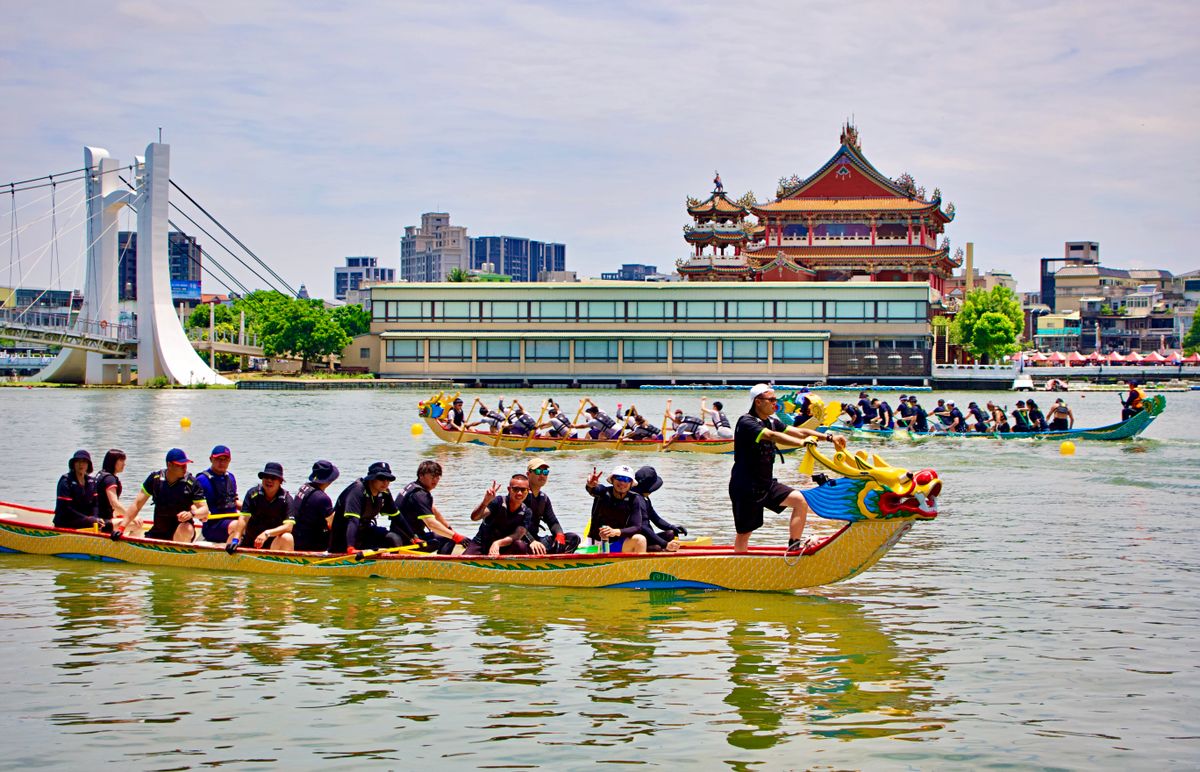
Public events add another boundary. Lantern displays, dragon boat races, temple fairs, parades, and night markets may be shaped by permits, weather, weekend schedules, crowd control, and local organizers. A cultural guide can explain why the event belongs to a festival, but it cannot promise that a park display, race, or parade happens on the traditional date. The hub should point event questions to local notices after cultural meaning is clear.
This is also where someone can decide whether they need a regional article before using a custom. A New Year market in Beijing, a lantern night in Hong Kong, a dragon boat race in a diaspora city, and a household Qingming visit may all carry festival meaning while following different public rules. The hub should make that difference usable, not decorative.
Regional and public-event boundaries for Festival browsing starts with the chosen entry point. Keep local practice from becoming a universal statement. The section should work like a signpost: pick the festival, date tool, food guide, activity page, regional case, or source note that answers the immediate question. Keep the matching festival guide close when the person has moved from browsing into a specific lookup.
Regional public-event boundaries for core Chinese Festivals begins with the chosen entry point. Regional public-event boundaries should keep Cultural context, not prediction; Food notes describe common examples and regional alternatives instead of claiming one national rule.; A simple path is to read one guide, try one calculator, cook one seasonal food, or plan one family activity.; Regional differences are surfaced before one household custom is treated as a rule for every Chinese community. Close to the explanation. Open the matching festival guide only when the next question is narrower than this section and needs its own date, food, activity, symbol, region, or source explanation.
Where To Go After This Hub
The next move depends on the question. If the person asks for a festival date, open the named article or the lunar date converter. If the person asks what to serve, open the food article after checking the festival. If the person asks what a family, class, or person should do, open the activity hub. If the person asks whether a practice is northern, Jiangnan, Cantonese, Taiwan, Hong Kong, or overseas, open the regional path before making a broad claim.
This hub should stay usable at 208 URLs. It should not bury the person under every page at once. It should present a few strong named festival entries, then a way to move into food, activity, region, and calendar verification. The result is a festival library that feels edited: each article has a job, and each next link narrows the question instead of repeating the same summary in another place.
Where to go after this hub for Festival browsing starts with the chosen entry point. Give a concrete path from festival list into deeper question pages. The section should work like a signpost: pick the festival, date tool, food guide, activity page, regional case, or source note that answers the immediate question. Keep the matching festival guide close when the person has moved from browsing into a specific lookup.
Where go after for core Chinese Festivals begins with the chosen entry point. Where go after uses Cultural context, not prediction; Food notes describe common examples and regional alternatives instead of claiming one national rule.; A simple path is to read one guide, try one calculator, cook one seasonal food, or plan one family activity.; Regional differences are surfaced before one household custom is treated as a rule for every Chinese community.. Open the matching festival guide only when the next question is narrower than this section and needs its own date, food, activity, symbol, region, or source explanation.