Xiao Man Date and Middle Growth
Xiao Man, Grain Buds, usually falls around May 20-22. It comes after Start of Summer and before Grain in Ear, which puts it in the part of early summer where growth is visible but not finished. A current-year solar-term table should be checked before the date is used for a class calendar, field note, menu, or family activity.
The date alone does not explain the term. Grain Buds is about a stage: crops are filling, plants are developing, and the season feels productive without being complete. That middle position gives Xiao Man a different mood from Li Xia's threshold and Mang Zhong's busy work. The person should see that difference before moving into foods or activities.
Xiao Man date and middle growth for Xiao Man guide starts with around May 20-22. Place Grain Buds in the early-summer sequence before food or philosophical meaning appears. Confirm the year's date before adding foods, activities, or weather language, because a solar-term note becomes unreliable when the timing is guessed.
Xiao Man date for term Xiao Man should place date, term name, and local use in order. Xiao man date should keep around May 20-22; barley tea, bitter greens; observe fields makes the grain image concrete; talk about enoughness turns the name into a discussion about enoughness rather than a ritual.; The name is often helpful for explaining Chinese seasonal language to beginners. Close to the explanation. The matching food guide belongs when the calendar part has outgrown this section.
Full But Not Fully Ripe
The name Grain Buds points to growth that is promising but unfinished. Grain heads may be filling, moisture and heat matter, and the season asks for attention. It is tempting to turn this into a broad lesson about being satisfied, but the first explanation should remain seasonal: the term names a crop stage in the traditional calendar.
A thoughtful note can still use enoughness language if it stays anchored. A parent might say that Xiao Man teaches patience because grain is not ripe yet. A teacher might compare it with a project that is improving but not complete. The explanation works when the metaphor grows from the crop image, not when the crop image is replaced by a motivational slogan. The crop stage should stay visible in every example.
Full but not fully ripe for Xiao Man guide should keep the solar-term idea small enough to use. Explain the name's crop logic without turning it into a vague life motto. Choose the date, food, activity, or local-weather angle that matches this heading and leave the rest for the next guide.
Bitter Greens and Barley Tea
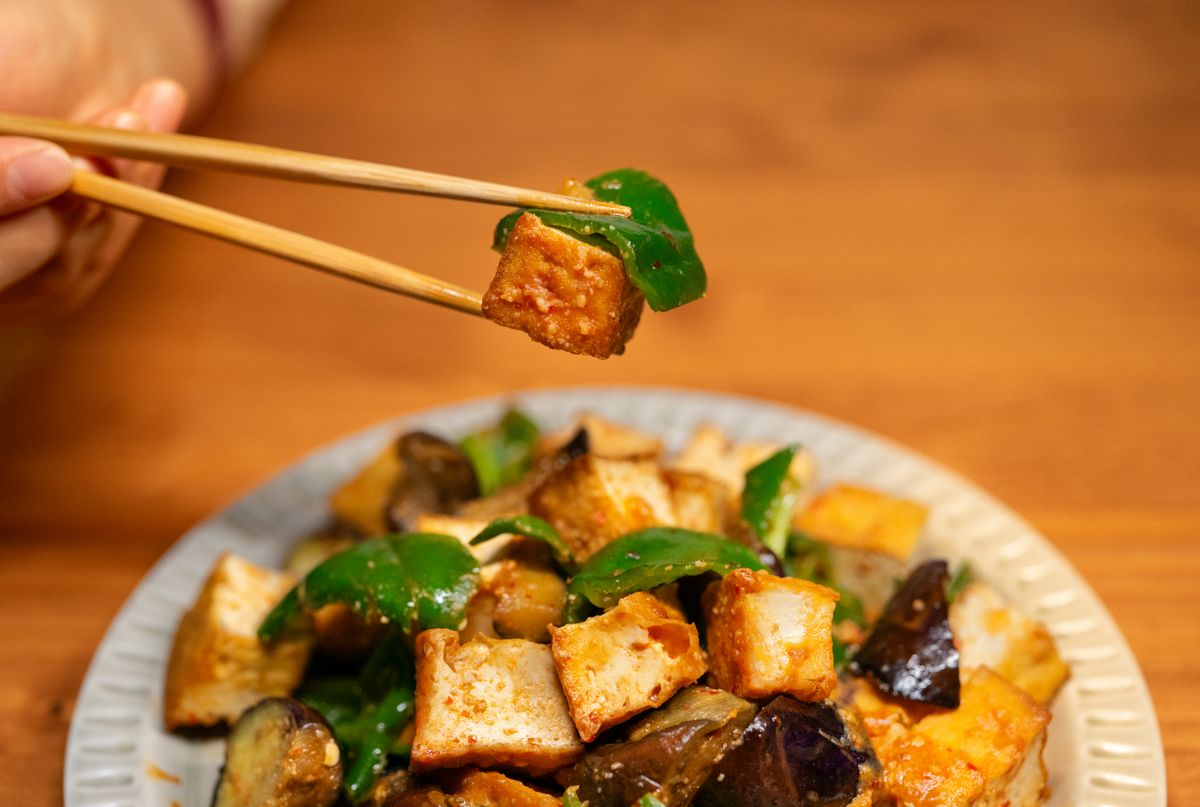
Bitter greens, barley tea, light vegetables, and simple early-summer dishes can support a Xiao Man explanation. They make the shift from spring abundance to warmer-season eating visible. The foods should be examples. A household may use local greens, skip bitter flavors, drink tea, or choose a different seasonal ingredient based on climate and taste.
Food wording needs boundaries because bitter and cooling language can become health advice too quickly. The safer version says that some examples feel suitable for warmer early summer, then keeps diet decisions personal and local. For children, schools, or public tastings, taste, allergies, caffeine, and ingredient access matter more than copying a fixed menu. If the food is unfamiliar, a picture or market comparison may teach the cue better than serving it.
Bitter greens and barley tea for Xiao Man guide connects Xiao Man to observe fields only where the room, season, and people make that action sensible. Handle early-summer foods as examples with taste, climate, and household caveats.
Bitter greens barley for term Xiao Man should show which detail is doing the work. Bitter greens barley should keep around May 20-22; barley tea, bitter greens; observe fields makes the grain image concrete; talk about enoughness turns the name into a discussion about enoughness rather than a ritual.; The name is often helpful for explaining Chinese seasonal language to beginners. Close to the explanation. If that detail is no longer barley tea or observe fields, the next page can take over.
Field Observation and Urban Substitutes
Xiao Man is easiest to see in agricultural settings, where crops, water, heat, and field timing are real concerns. Many people, however, meet the term in a city or overseas classroom. The wording needs not to pretend everyone can inspect grain. A balcony plant, park grass, vegetable market, weather log, or drawing can stand in for field observation.
That substitution keeps the term usable. A family can ask what looks full but unfinished in their environment. A class can compare seed, shoot, flower, and fruit stages. A market visit can show that seasonal foods arrive gradually. The activity should preserve the idea of developing fullness rather than forcing a rural scene onto every person.
A clear observation note can ask people to name one local thing that is growing but incomplete: a tomato flower, a rice diagram, a school project, or a market basket that is still changing week by week.
Field observation and urban substitutes for Xiao Man guide turns observe fields into a small observation or family note. Make crop language usable for people without farms or grain fields. If materials, age group, weather, or school rules become the hard part, the matching food guide should handle the narrower activity question.
Rain and Heat Still Need Local Checks
Grain Buds sits in a time when warmth and moisture matter, but it should not be used as a farming instruction for every location. Some regions may be wet, some dry, some already hot, and some still mild. A gardener or teacher can use the term to ask about growth conditions, while actual planting or irrigation choices need local advice.
For non-farming people, the weather part can stay observational. Note rain, temperature, plant growth, and how the landscape looks compared with Start of Summer. If the local climate disagrees with the expected image, include that contrast. The calendar term becomes stronger when it helps people notice place, not when it pretends place does not matter.
Rain and heat still need local checks for Xiao Man guide should name the place before the seasonal image sounds universal. Connect Xiao Man to weather without turning it into a forecast or farming directive. A northern winter, Jiangnan market, Lingnan humidity, or overseas classroom can use the same term with a different usable scene.
Rain heat still for term Xiao Man needs a place check before the old weather image is repeated. Xiao Man is easier to use with around May 20-22; barley tea, bitter greens; observe fields makes the grain image concrete; talk about enoughness turns the name into a discussion about enoughness rather than a ritual.; The name is often helpful for explaining Chinese seasonal language to beginners.. The term can travel across climates, but the local scene decides whether barley tea, observe fields, or a comparison note is the honest example.
Common Xiao Man Misreads
The first mistake is reducing Xiao Man to a proverb about satisfaction. The second is assuming every person sees grain fields. The third is turning bitter greens or barley tea into a required diet. The fourth is merging Xiao Man with Mang Zhong because both mention grain. These mistakes erase the term's middle-growth precision.
A better explanation keeps the crop image at the center. Date lookup stays here or in the finder. Foods move to the Grain Buds food entry. Home and school observation move to the activity entry. Busy planting and harvesting language moves to Grain in Ear. That split lets Xiao Man hold its own job: filling, not finishing.
Common Xiao Man misreads for Xiao Man guide should start with what can be checked this year or noticed in this place. Prevent Grain Buds from becoming a vague growth essay or universal food list. Add barley tea or observe fields only when it helps that one point.
Common Xiao Man for term Xiao Man should let one detail lead. Common xiao man should keep around May 20-22; barley tea, bitter greens; observe fields makes the grain image concrete; talk about enoughness turns the name into a discussion about enoughness rather than a ritual.; The name is often helpful for explaining Chinese seasonal language to beginners. Visible. The paragraph can start from date, barley tea, observe fields, or local weather, but it needs to say which claim is being tested.
Xiao Man Reading Paths
Use Start of Summer for the earlier-season question about the seasonal threshold, tea eggs, beans, and summer-beginning routines. Use Grain in Ear for the next seasonal question about busy planting and harvesting. Use the Grain Buds food entry when bitter greens, barley tea, or the table has moved from meaning to adaptation.
Open the activity entry when field observation, balcony plants, market visits, or enoughness teaching needs more detail. Open the solar-term finder when the exact year matters. Open seasonal foods when Xiao Man examples need comparison, family activities when children need a safe observation plan, and the 24-term hub when the sequence matters. If the person is not near farmland, choose the market, balcony, or classroom path first, then compare what feels unfinished locally.
Xiao Man guide Xiao Man reading paths should leave the person with one next action. Path Grain Buds people into adjacent terms, food, activity, and exact-date lookup. If the unresolved issue is calendar timing, food context, activity planning, or a nearby term, the matching food guide should carry only that smaller job.
Xiao Man reading for term Xiao Man turns the ending into a small decision. Xiao Man is easier to use with around May 20-22; barley tea, bitter greens; observe fields makes the grain image concrete; talk about enoughness turns the name into a discussion about enoughness rather than a ritual.; The name is often helpful for explaining Chinese seasonal language to beginners.. Keep calendar lookup, serving detail, activity setup, and adjacent-term reading in separate parts.