Xiazhi Date and Long-Day Anchor
Xiazhi, Summer Solstice, usually falls around June 20-22. A published solar-term table should be checked when a current-year date matters for a lesson, event, menu, or family calendar. The term sits after Grain in Ear and before Minor Heat, which means it marks a daylight turning point before the hottest terms arrive in the traditional sequence.
The long-day idea gives Xiazhi a clear English entry point. Many people understand solstice before they understand Chinese solar terms, so the explanation can start with daylight and then move into Chinese seasonal practice. The caution is precision: sunrise, sunset, and exact astronomical timing depend on location and year, while the cultural entry explains how the term frames midsummer time.
Xiazhi date and long-day anchor for Xia Zhi guide should make the date do the first job. Anchor Summer Solstice in date tables and daylight meaning before food customs appear. Food, activity, and local-weather details belong after the person can place Xia Zhi in the current-year sequence.
Xiazhi date long-day for term Xia Zhi should place date, term name, and local use in order. Xiazhi date long-day should keep around June 20-22; noodles, cooling soups; track sunrise and sunset gives the solstice a measurable anchor; plan shade and hydration keeps the plan comfortable in strong light and heat.; Noodle customs are widely mentioned, but the exact dish varies by household and region. Visible. The matching food guide belongs when the calendar part has outgrown this section.
Xiazhi date long-day setting for term Xia Zhi keeps Xia Zhi guide seasonal before it turns ceremonial. It can point to food, plants, daylight, rain, heat, cold, or classroom observation, but local climate and exact-year timing still decide how it is used.
Daylight Is The First Teaching Tool
Summer Solstice is strongest when explained through light. A class can compare sunrise and sunset times, draw shadows, check how late the sky stays bright, or compare northern and southern locations. Those activities make the term more than a date. They show that the 24-term system connects calendar language with observation of the sun's annual motion.
The wording needs to also say that local latitude matters. A child in Harbin, Hong Kong, Singapore, London, or Los Angeles will not experience the same length of day. The term can still work for all of them if the activity is comparison rather than a claim that every place feels the same. Daylight supplies the evidence, while the solar term supplies the cultural vocabulary.
Daylight is the first teaching tool for Xia Zhi guide should start with what can be checked this year or noticed in this place. Use sunrise, sunset, and shadow comparison without overstating exact equality or location effects. Add noodles or track sunrise and sunset only when it helps that one point.
Daylight first teaching for term Xia Zhi should let one detail lead. Daylight first teaching should keep around June 20-22; noodles, cooling soups; track sunrise and sunset gives the solstice a measurable anchor; plan shade and hydration keeps the plan comfortable in strong light and heat.; Noodle customs are widely mentioned, but the exact dish varies by household and region. Visible. The paragraph can start from date, noodles, track sunrise and sunset, or local weather, but it needs to say which claim is being tested.
Daylight first teaching setting for term Xia Zhi keeps Xia Zhi guide seasonal before it turns ceremonial. It can point to food, plants, daylight, rain, heat, cold, or classroom observation, but local climate and exact-year timing still decide how it is used.
Noodles Need Regional Wording
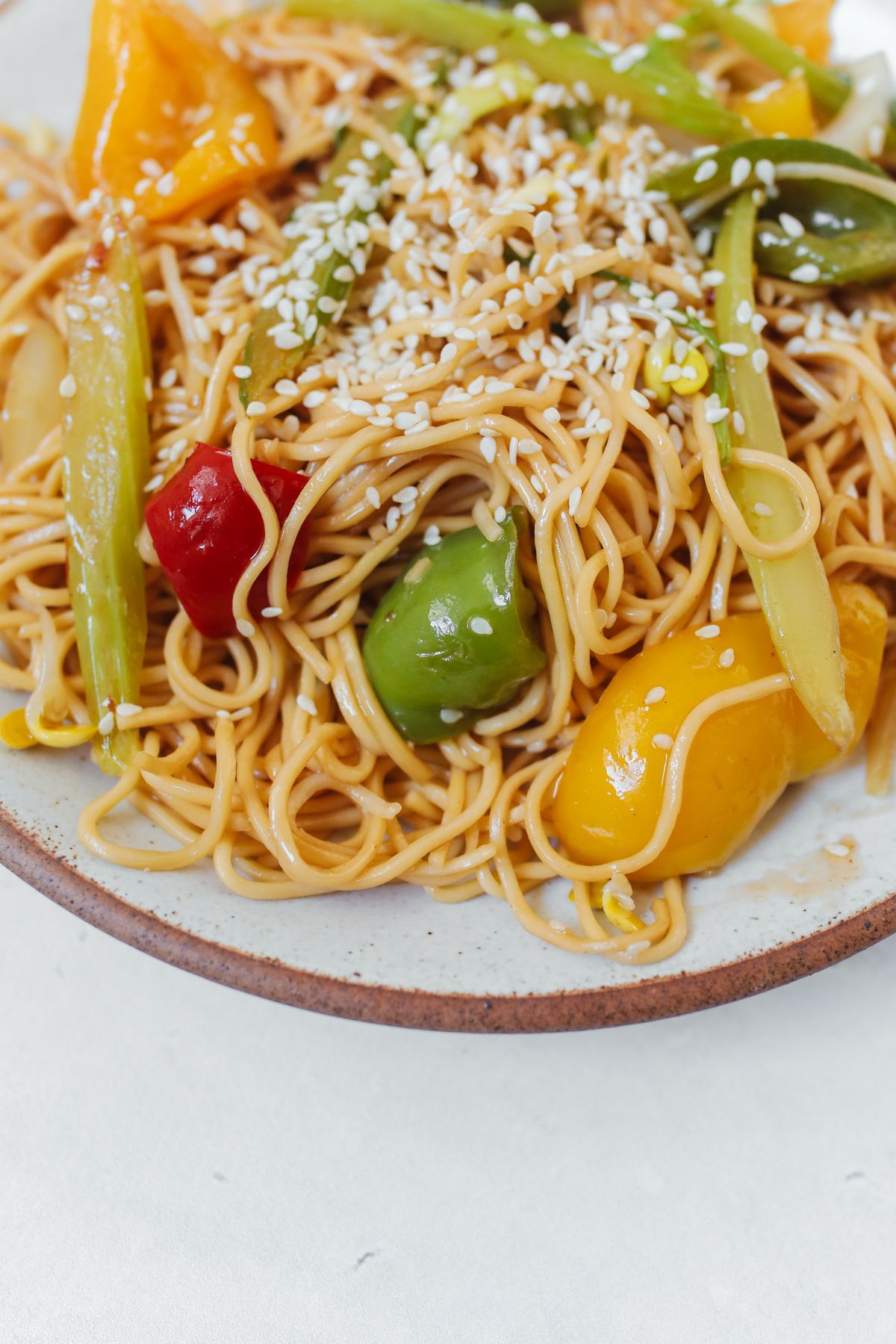
Noodles are one of the most familiar Xiazhi food examples. They can represent long days, seasonal appetite, household memory, and simple summer eating. The wording needs regional and household caution. Cold noodles, soup noodles, wheat noodles, rice noodles, and local variations may all appear, while some families may not mark the day with noodles at all.
A clear food explanation says why noodles fit, then sends recipe decisions to a food entry. A home may choose a quick bowl after work. A classroom may use paper noodles or a drawing instead of serving food. A restaurant may offer a solstice noodle special. The food cue remains meaningful when it is tied to summer timing rather than treated as a national rule.
Noodles need regional wording for Xia Zhi guide should name the place before the seasonal image sounds universal. Explain solstice noodles as a familiar cue without making one dish mandatory. A northern winter, Jiangnan market, Lingnan humidity, or overseas classroom can use the same term with a different usable scene.
Noodles need regional for term Xia Zhi needs a place check before the old weather image is repeated. Term context here depends on around June 20-22; noodles, cooling soups; track sunrise and sunset gives the solstice a measurable anchor; plan shade and hydration keeps the plan comfortable in strong light and heat.; Noodle customs are widely mentioned, but the exact dish varies by household and region.. The term can travel across climates, but the local scene decides whether noodles, track sunrise and sunset, or a comparison note is the honest example.
Noodles need regional setting for term Xia Zhi keeps Xia Zhi guide seasonal before it turns ceremonial. It can point to food, plants, daylight, rain, heat, cold, or classroom observation, but local climate and exact-year timing still decide how it is used.
Heat Comes After The Light Cue
Xiazhi is not always the hottest point of the year. In the 24-term sequence, Minor Heat and Major Heat follow it, which helps people understand why the longest day and the hottest days are not the same thing. A place may already feel hot, but the term's first job is daylight. Heat planning comes next and should use local weather information.
Usable cautions can stay modest: plan shade, avoid unnecessary midday exposure, check water access, adapt outdoor lessons, and follow local event rules. The entry should not give medical advice or claim one temperature pattern. It can say that summer activity needs local evidence, especially for children, elders, outdoor workers, and public events.
Heat comes after the light cue for Xia Zhi guide starts with the midsummer cue behind Xia Zhi. Keep heat advice usable and non-medical while acknowledging regional conditions. Compare the old seasonal name with local weather before adding noodles or track sunrise and sunset, because the same term can feel different by region.
Heat comes after for term Xia Zhi starts with the old seasonal image. Heat comes after uses around June 20-22; noodles, cooling soups; track sunrise and sunset gives the solstice a measurable anchor; plan shade and hydration keeps the plan comfortable in strong light and heat.; Noodle customs are widely mentioned, but the exact dish varies by household and region.. Match that image against local conditions before adding noodles, track sunrise and sunset, or a classroom comparison.
Heat comes after setting for term Xia Zhi keeps Xia Zhi guide seasonal before it turns ceremonial. It can point to food, plants, daylight, rain, heat, cold, or classroom observation, but local climate and exact-year timing still decide how it is used.
Family and Classroom Uses
A family can mark Xiazhi by noting sunset time, eating a simple noodle meal, comparing shadows at different hours, or talking about why the longest day does not mean the hottest day. A classroom can chart daylight for several weeks and place Xiazhi in the 24-term wheel. These activities are usable because they do not require ritual knowledge.
The best activity begins with a question: what changes can we measure today? Shadow length, heat, sunset time, plant growth, and evening routines can all be observed. If the question becomes food, use the solstice noodle entry. If the question becomes heat planning, use local weather and school safety rules. Xiazhi stays clear when observation comes before performance.
Family and classroom uses for Xia Zhi guide turns track sunrise and sunset into a small observation or family note. Turn Summer Solstice into concrete observation without forcing a ritual. If materials, age group, weather, or school rules become the hard part, the matching food guide should handle the narrower activity question.
Family classroom uses for term Xia Zhi starts with the observation. Family classroom uses should keep around June 20-22; noodles, cooling soups; track sunrise and sunset gives the solstice a measurable anchor; plan shade and hydration keeps the plan comfortable in strong light and heat.; Noodle customs are widely mentioned, but the exact dish varies by household and region. Close to the explanation. Keep track sunrise and sunset small, local, and weather-aware before sending the person to the matching food guide.
Family classroom uses setting for term Xia Zhi keeps Xia Zhi guide seasonal before it turns ceremonial. It can point to food, plants, daylight, rain, heat, cold, or classroom observation, but local climate and exact-year timing still decide how it is used.
Misreads Around Summer Solstice
The first mistake is saying Summer Solstice is always the hottest day. The second is treating noodles as required everywhere. The third is replacing the Chinese solar-term explanation with a generic astronomy note. The fourth is turning shade and water suggestions into medical guidance. These mistakes make the entry either too loose or too confident.
A better explanation keeps four parts separate. Date lookup belongs to the table or finder. Daylight belongs to observation and comparison. Food belongs to the noodle or seasonal food path. Heat decisions belong to local weather and venue rules. The solar term connects those parts without pretending one part answers every summer question. This is especially important for public events, where a beautiful solstice theme still needs shade, timing, transport, and weather evidence.
Misreads around summer solstice for Xia Zhi guide keeps date and example together. Name the mistakes that mix daylight, heat, noodles, and summer festivals. The matching food guide is clear when the person needs the broader solar-term table instead of this one seasonal point.
Misreads around summer for term Xia Zhi works when the old calendar term and the modern example stay in the same frame. Xia Zhi stays grounded through around June 20-22; noodles, cooling soups; track sunrise and sunset gives the solstice a measurable anchor; plan shade and hydration keeps the plan comfortable in strong light and heat.; Noodle customs are widely mentioned, but the exact dish varies by household and region.. The matching food guide is the better page only after the remaining question is clear.
Misreads around summer setting for term Xia Zhi keeps Xia Zhi guide seasonal before it turns ceremonial. It can point to food, plants, daylight, rain, heat, cold, or classroom observation, but local climate and exact-year timing still decide how it is used.
Xiazhi Reading Paths
Choose Grain in Ear if the remaining question is farming-season busyness, wheat, plums, and planting calendars. Choose Minor Heat if the remaining question has become noticeably hot weather and light summer meals. Use the Summer Solstice food entry when noodles, cooling soups, or the food example needs a different local form.
Open the activity entry when the person wants daylight tracking, shadow comparison, or shade-aware family planning. Open the solar-term finder when a Gregorian date needs checking. Open seasonal foods for a broader summer table, family activities for school and home adaptation, and the 24-term hub when Xiazhi needs sequence context. If the person is teaching children, start with daylight evidence before mentioning noodles, because the measured sky makes the cultural cue easier to trust. For a public event, add current venue timing before inviting people outside.
Xia Zhi guide xiazhi reading paths should send the person by need: date lookup, meal detail, activity setup, neighboring term, or reference note. Path Summer Solstice people into adjacent heat terms, food, activities, and exact-date lookup. Use the matching food guide when that single follow-up is now clearer than the broad solar-term page.
Xiazhi reading paths for term Xia Zhi checks what the person still lacks. Xiazhi reading paths uses around June 20-22; noodles, cooling soups; track sunrise and sunset gives the solstice a measurable anchor; plan shade and hydration keeps the plan comfortable in strong light and heat.; Noodle customs are widely mentioned, but the exact dish varies by household and region.. If the missing piece is a date, dish, activity, or comparison, send that single question to the closest guide.
Xiazhi reading paths setting for term Xia Zhi keeps Xia Zhi guide seasonal before it turns ceremonial. It can point to food, plants, daylight, rain, heat, cold, or classroom observation, but local climate and exact-year timing still decide how it is used.