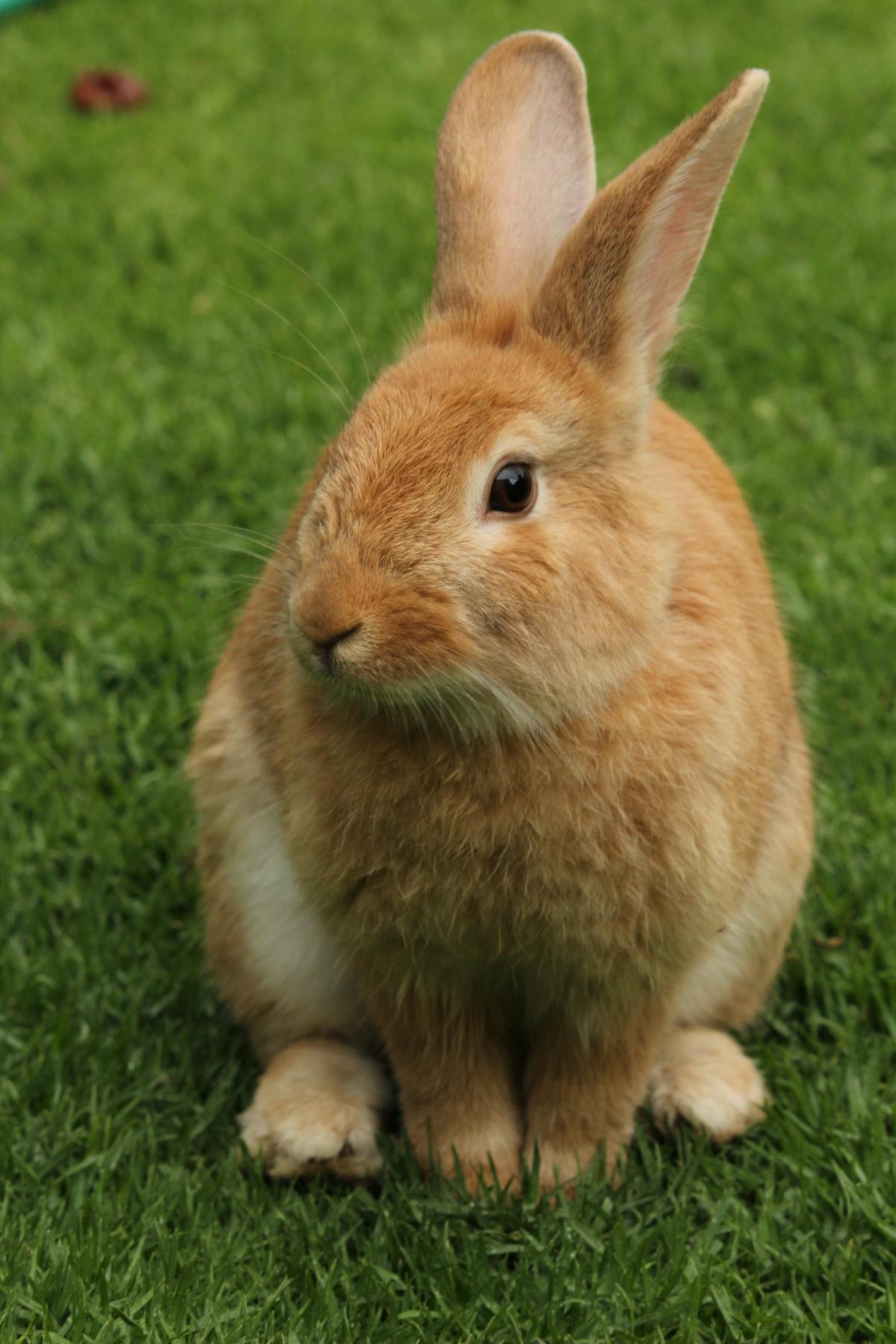
Rabbit As Animal Number Four
Rabbit is the fourth animal in the twelve-animal zodiac sequence, after Tiger and before Dragon. That position gives the entry a clear calendar job: help people place Rabbit in the cycle, assign year labels carefully, and recognize the animal in New Year designs. Rabbit is not only a cute image; it is a repeatable year marker.
The animal can feel quieter than Tiger or Dragon in visual culture, but that contrast should stay at the level of motif and design. A Rabbit card may use soft lines, spring colors, round shapes, or gentle movement. Those choices make the animal recognizable without proving anything about people born in Rabbit years. The cycle position, not a personality shortcut, is the anchor.
Rabbit as animal number four for Rabbit zodiac starts with the animal as public culture, not as a personality verdict. Place Rabbit in the cycle before art, moon associations, or birth-year questions appear. Keep cards, decorations, stories, family birth-year comparisons, and Lunar New Year cutoffs in view before any meaning is attached. Use the zodiac calculator when the date or cycle label needs a narrower check.
Rabbit Year Dates Need Checking
A Rabbit year is boundary-sensitive. The Gregorian year begins on January 1, but the Chinese zodiac animal often changes at Lunar New Year. A birthday in January or before Lunar New Year in February may still belong to the previous animal year. This is why Rabbit labels should be checked with an exact Lunar New Year date.
The calculator is helpful for quick lookup, but the reasoning matters too. A family chart, school project, or birthday explanation should not copy an animal label from the civil year alone. First check the Lunar New Year cutoff, then assign the animal, then add any Gan-Zhi detail if the full year name matters.
Rabbit year dates need checking for Rabbit zodiac starts with the animal as public culture, not as a personality verdict. Keep Rabbit year labels tied to the Lunar New Year cutoff. Keep cards, decorations, stories, family birth-year comparisons, and Lunar New Year cutoffs in view before any meaning is attached. Use the zodiac calculator when the date or cycle label needs a narrower check.
Rabbit year dates for zodiac Rabbit begins as public calendar vocabulary. Rabbit year dates should keep Cultural symbol, not destiny; Food customs belong to the festival or season around a zodiac year, especially New Year meals, sweets, fruit, dumplings, fish, and regional banquet dishes.; clear activities include finding the animal in art, comparing family birth years, making a paper-cut design, and learning the difference between zodiac-year labels and predictions.; Zodiac language travels widely across Chinese-speaking regions and diasporas, but household belief, humor, and seriousness vary a lot. Visible. Animal and year names can support cards, art, family comparison, and source reading, but they must not become prediction or personality claims.
Rabbit Motifs and Moon Echoes
Rabbit imagery can appear in New Year cards, paper cuts, children's toys, calendars, and decorative animal sets. In some broader East Asian visual contexts, rabbits may also evoke moon stories or jade-rabbit imagery. That overlap can be interesting, but it should not confuse the zodiac question. A Rabbit year still follows the animal cycle and Lunar New Year cutoff.
The safest wording separates motif parts. A card may use a rabbit because it is a Rabbit year. A moon image may belong to Mid-Autumn or another story setting. A classroom can compare both images, then ask which calendar question each one answers. This keeps Rabbit from becoming a loose symbol for every moon or spring reference, and it gives teachers a clean sentence: zodiac Rabbit names the year, while moon-rabbit imagery belongs to a different story part.
Rabbit motifs and moon echoes for Rabbit zodiac starts with the animal as public culture, not as a personality verdict. Explain rabbit imagery carefully when moon stories or soft visual language appear. Keep cards, decorations, stories, family birth-year comparisons, and Lunar New Year cutoffs in view before any meaning is attached. Use the zodiac calculator when the date or cycle label needs a narrower check.
Family Charts With Rabbit
Rabbit works well in family charts because the animal is easy to draw and remember. A child can place Rabbit between Tiger and Dragon, check birth years with the Lunar New Year cutoff, and compare how Rabbit designs differ from other animals. The activity teaches sequence, date care, and visual recognition at the same time.
The chart should not become a personality ranking. Avoid saying that Rabbit-year relatives are automatically gentle, cautious, lucky, or compatible with particular animals. A better prompt asks what the animal shows in art, how the date was checked, and where the animal appears in greetings or decorations. That keeps the family activity warm without becoming deterministic, and it gives each relative room beyond the animal label.
Family charts with rabbit for Rabbit zodiac starts with the animal as public culture, not as a personality verdict. Give Rabbit activities that keep birth-year comparison respectful. Keep cards, decorations, stories, family birth-year comparisons, and Lunar New Year cutoffs in view before any meaning is attached. Use the zodiac calculator when the date or cycle label needs a narrower check.
Rabbit Year Food Context
Rabbit-year content often appears during Spring Festival, so foods may sit nearby: dumplings, fish, fruit, sweets, rice cakes, or regional banquet dishes. Those foods come from New Year practice, not from Rabbit as an animal. A rabbit-shaped sweet or decoration can be a design choice, but the food meaning still belongs to the festival or household.
This matters for captions and menus. A bakery may sell rabbit-shaped pastries in a Rabbit year, while a family may serve the same reunion dishes it serves every year. A school note can say the class made Rabbit cards and then sampled a New Year food. It should not imply that one dish is required because the animal is Rabbit.
Rabbit year food context for Rabbit zodiac starts with the animal as public culture, not as a personality verdict. Separate Rabbit motifs from food customs around Chinese New Year or other festivals. Keep cards, decorations, stories, family birth-year comparisons, and Lunar New Year cutoffs in view before any meaning is attached. Use the zodiac calculator when the date or cycle label needs a narrower check.
Rabbit Misreads To Avoid
The first mistake is assigning Rabbit from January 1 without the Lunar New Year check. The second is turning soft rabbit imagery into a temperament claim. The third is mixing zodiac Rabbit with every moon-rabbit image without naming the calendar part. The fourth is forgetting the stem-branch pairing when a formal year name is needed.
A better answer keeps Rabbit as animal number four, a visual motif, a boundary-sensitive year label, and a possible doorway into art comparison. It sends date questions to the calculator, cycle questions to Gan-Zhi, New Year food questions to festival pages, and moon or Mid-Autumn questions to the correct festival context. Rabbit stays clear when each part has a job.
Rabbit misreads to avoid for Rabbit zodiac starts with the animal as public culture, not as a personality verdict. Name the mistakes that make Rabbit content too broad or predictive. Keep cards, decorations, stories, family birth-year comparisons, and Lunar New Year cutoffs in view before any meaning is attached. Use the zodiac calculator when the date or cycle label needs a narrower check.
Rabbit misreads avoid for zodiac Rabbit begins as public calendar vocabulary. Zodiac context here is Cultural symbol, not destiny; Food customs belong to the festival or season around a zodiac year, especially New Year meals, sweets, fruit, dumplings, fish, and regional banquet dishes.; clear activities include finding the animal in art, comparing family birth years, making a paper-cut design, and learning the difference between zodiac-year labels and predictions.; Zodiac language travels widely across Chinese-speaking regions and diasporas, but household belief, humor, and seriousness vary a lot.. Animal and year names can support cards, art, family comparison, and source reading, but they must not become prediction or personality claims.
Rabbit Reading Paths
Open the zodiac calculator when the person starts with a birthday. Use Lunar year cutoff for January or February cases that could change the label. Open the 60-year cycle when the animal label needs a stem-branch pairing. Open elements and zodiac when five-phase language appears beside Rabbit and needs careful separation from the animal motif.
Open Chinese Zodiac when Rabbit should be compared with Tiger, Dragon, and the full animal set. Open Chinese New Year when reunion foods, greetings, visits, or red envelopes are the real subject. Open family activities when Rabbit becomes a paper cut, classroom chart, craft, or home conversation. These paths keep Rabbit centered without stretching it beyond evidence, and they keep moon stories, food customs, and date lookup from blending together in one answer.
Rabbit zodiac rabbit reading paths starts with the animal as public culture, not as a personality verdict. Path Rabbit people into date tools, zodiac comparison, Gan-Zhi, New Year, and activity pages. Keep cards, decorations, stories, family birth-year comparisons, and Lunar New Year cutoffs in view before any meaning is attached. Use the zodiac calculator when the date or cycle label needs a narrower check.