Fifteenth Night Of The First Lunar Month
Lantern Festival falls on the fifteenth day of the first lunar month. It closes the New Year season rather than opening it. That timing explains why lanterns, family desserts, riddles, and public night outings feel connected to Spring Festival but still belong to their own date. Someone should check the lunar date for the current year, then confirm any lantern fair, park display, or school activity with local schedules.
The date also gives the festival its night-time shape. The first full-moon night of the lunar year is associated with light, reunion, public wandering, and sweet round foods. Chinese New Year may begin with the first lunar day and family greetings, while Lantern Festival gives the season a visible closing scene. Keeping that order clear prevents people from mixing New Year temple fairs, Mid-Autumn lanterns, and Lantern Festival into one vague lantern topic.
Fifteenth night of the first lunar month for Lantern Festival needs to answer the date first because Lantern Festival can move on the Gregorian calendar. Anchor Lantern Festival as the closing night of the New Year season. A school note, dinner plan, or public listing needs the date source visible before the festival hub becomes clear.
Fifteenth night first for festival Lantern Festival separates calendar fact from celebration scene. Festival context here depends on 15th day of the first lunar month; tangyuan and yuanxiao; lantern viewing, riddles, family desserts, and public light displays; Lantern Festival can mean family dessert at home, temple or park lantern displays, Taiwan-style large installations, riddle games, or a Chinatown evening program depending on the community.. That keeps a family plan, class worksheet, and venue listing from sharing one unverified date.
Fifteenth night first setting for festival Lantern Festival changes Lantern Festival by setting: a reunion meal, school note, temple visit, market, parade, or quiet family visit each asks for different detail. Name the scene first, then move to the festival hub only when the next question is more specific.
Lanterns Make The Public Night
Lanterns are the festival's strongest visual signal. They can appear in streets, parks, temples, malls, schools, homes, and community events. Some are simple paper lanterns; others are large installations shaped like animals, flowers, zodiac symbols, palaces, or story scenes. The point is not merely color. Lanterns create a night path where people walk, look, gather, take children out, and mark the season's close.
Because lantern viewing is often public, logistics matter. A city display may require tickets, crowd control, weather planning, or transport checks. A family activity can be much smaller: making a paper lantern, carrying a safe light, or comparing lantern shapes. Separate public event planning from home craft because those questions have different safety, cost, and schedule boundaries.
Lanterns make the public night for Lantern Festival starts with Activity context starts with lantern viewing, riddles, family desserts, and public light displays. Public lantern walks need venue timing, crowd, transport, weather, and safety checks; a home or school version can stay smaller.. Explain lantern viewing as public and family activity, not a generic decoration note. Name who is acting, what object or food is involved, and what local check can change the answer.
Lanterns make public for festival Lantern Festival makes Lantern Festival concrete before it hands off. Lantern Festival is easier to use with 15th day of the first lunar month; tangyuan and yuanxiao; lantern viewing, riddles, family desserts, and public light displays; Lantern Festival can mean family dessert at home, temple or park lantern displays, Taiwan-style large installations, riddle games, or a Chinatown evening program depending on the community.. The next stop is the festival hub only when the person now needs a narrower calendar or custom answer.
Lanterns make public setting for festival Lantern Festival changes Lantern Festival by setting: a reunion meal, school note, temple visit, market, parade, or quiet family visit each asks for different detail. Name the scene first, then move to the festival hub only when the next question is more specific.
Riddles Turn Looking Into Play
Lantern riddles give the festival an intellectual and social game. Riddles may be written on lanterns or displayed near them, inviting people to guess words, objects, sayings, or auspicious meanings. This turns a visual walk into interaction: look, read, think, laugh, and answer together. Riddles are especially helpful for school and family explanations because they make language part of the festival night.
A careful description should not imply that every lantern display includes riddles or that every household plays the game. Some events emphasize art, lighting, performance, or food instead. A classroom can adapt the riddle idea with simple wordplay or picture clues. A public fair may use difficult literary riddles. The shared idea is playful guessing, while the level and format depend on place and audience.
Riddles turn looking into play for Lantern Festival begins with Activity context starts with lantern viewing, riddles, family desserts, and public light displays. Public lantern walks need venue timing, crowd, transport, weather, and safety checks; a home or school version can stay smaller.. Give lantern riddles a distinct role instead of folding them into a custom list. From there, date, table, greeting, and public-schedule questions can each move to a narrower guide such as the festival hub.
Riddles turn looking for festival Lantern Festival begins with Activity context starts with lantern viewing, riddles, family desserts, and public light displays. Public lantern walks need venue timing, crowd, transport, weather, and safety checks; a home or school version can stay smaller.. Riddles turn looking uses 15th day of the first lunar month; tangyuan and yuanxiao; lantern viewing, riddles, family desserts, and public light displays; Lantern Festival can mean family dessert at home, temple or park lantern displays, Taiwan-style large installations, riddle games, or a Chinatown evening program depending on the community.. Use that scene to show whether the person is planning a meal, visit, lesson, public outing, or family note.
Tangyuan and Yuanxiao Are Not The Same Everywhere
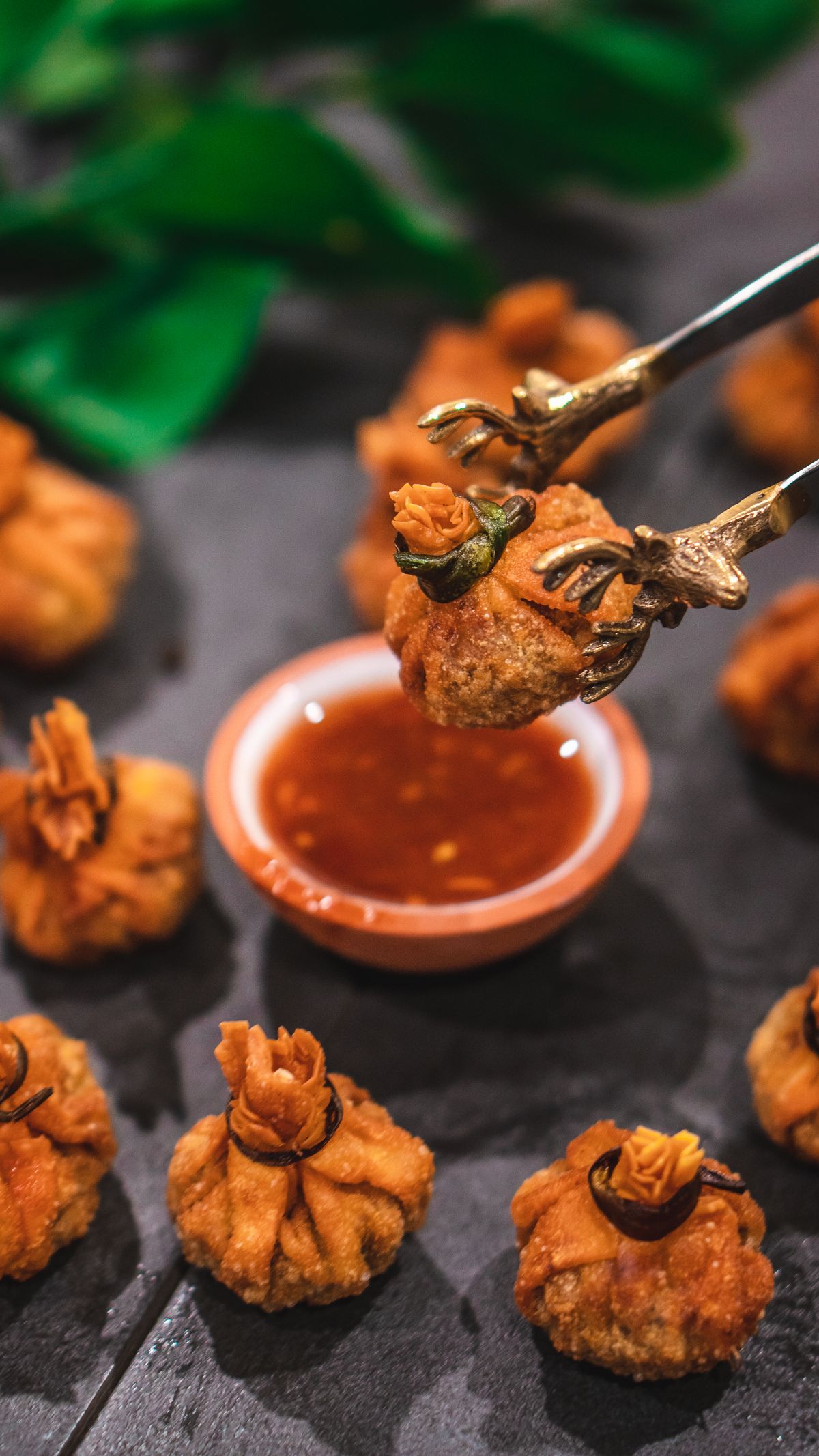
The festival food is usually described in English as sweet glutinous rice balls, but the names and methods matter. Tangyuan are commonly associated with southern-style filled or unfilled balls made by wrapping or shaping dough. Yuanxiao are often associated with northern rolling methods around filling. Both can carry roundness, reunion, and first-month fullness, yet they are not identical in preparation or regional memory.
That difference gives the Lantern Festival food path a real job. Someone may need to choose a dessert, explain why it is round, compare tangyuan and yuanxiao, or avoid saying that one name is universal. Fillings, soup bases, sweetness, sesame, peanut, red bean, rose, savory versions, and store-bought shortcuts vary. Keep the main festival explanation focused on the symbol, then path detailed food questions to the separate comparison page.
Tangyuan and yuanxiao are not the same everywhere for Lantern Festival should begin from the question the person brought: checking a date, explaining a meal, preparing a visit, writing a greeting, or comparing a local scene. Explain round desserts while preserving regional preparation differences. The festival hub can take the part that grows beyond this section.
Tangyuan yuanxiao not for festival Lantern Festival keeps the example close to the claim. Tangyuan yuanxiao not should keep 15th day of the first lunar month; tangyuan and yuanxiao; lantern viewing, riddles, family desserts, and public light displays; Lantern Festival can mean family dessert at home, temple or park lantern displays, Taiwan-style large installations, riddle games, or a Chinatown evening program depending on the community. Visible. Name the festival setting first, then let the next guide answer only the question that remains.
Tangyuan yuanxiao not setting for festival Lantern Festival changes Lantern Festival by setting: a reunion meal, school note, temple visit, market, parade, or quiet family visit each asks for different detail. Name the scene first, then move to the festival hub only when the next question is more specific.
Closing The New Year Season
Lantern Festival belongs to the New Year cycle, but it answers a different question from Chinese New Year. Chinese New Year foregrounds the first day, reunion dinner, greetings, visits, and preparation. Lantern Festival foregrounds the first-month full moon, night outings, lanterns, riddles, and round desserts. This difference matters for navigation: someone asking about red envelopes or reunion dinner should not land on a lantern-only answer.
The festival's closing role also explains why it can feel lighter and more public. Families may have already completed major visits; children may be ready for an outing; communities can stage displays; dessert becomes a final sweet note. Present Lantern Festival as the season's visible closing night, then link back to Chinese New Year when the broader holiday frame is needed.
Closing the New Year season for Lantern Festival starts with Activity context starts with lantern viewing, riddles, family desserts, and public light displays. Public lantern walks need venue timing, crowd, transport, weather, and safety checks; a home or school version can stay smaller.. Show how Lantern Festival relates to Spring Festival without becoming the same article. Name who is acting, what object or food is involved, and what local check can change the answer.
Closing New Year for festival Lantern Festival uses the festival scene as the test case. Festival context here is 15th day of the first lunar month; tangyuan and yuanxiao; lantern viewing, riddles, family desserts, and public light displays; Lantern Festival can mean family dessert at home, temple or park lantern displays, Taiwan-style large installations, riddle games, or a Chinatown evening program depending on the community.. If the remaining question is date, food, etiquette, or local planning, the festival hub should take over that smaller job.
Closing New Year setting for festival Lantern Festival changes Lantern Festival by setting: a reunion meal, school note, temple visit, market, parade, or quiet family visit each asks for different detail. Name the scene first, then move to the festival hub only when the next question is more specific.
Regions and Diaspora Displays
Lantern Festival changes by city, climate, public space, and diaspora setting. Some places build large lantern parks; others hold temple fairs, school displays, family dessert nights, or small community walks. Taiwan lantern events, Hong Kong displays, mainland city parks, and overseas Chinatown activities can all use the same festival name while offering different experiences. A person looking for an event needs a local schedule, not only a cultural explanation.
Diaspora communities may also move celebrations to weekends, combine them with broader New Year events, or use safer indoor crafts where outdoor lanterns are impractical. That does not make the practice less real; it changes the setting. Name the adaptation so people know whether they are planning a public outing, a home dessert, a classroom riddle game, or a cultural note for people.
Regions and diaspora displays for Lantern Festival should put regional difference near the claim it changes. Make public-event and regional difference visible before recommending activities. Food, language, public schedule, family order, and overseas practice can all move in different directions.
Regions diaspora displays for festival Lantern Festival names place as evidence. Regions diaspora displays should keep 15th day of the first lunar month; tangyuan and yuanxiao; lantern viewing, riddles, family desserts, and public light displays; Lantern Festival can mean family dessert at home, temple or park lantern displays, Taiwan-style large installations, riddle games, or a Chinatown evening program depending on the community. Close to the explanation. Regional food, dialect memory, public calendars, and overseas schedules can change the answer without making one version more authentic.
Regions diaspora displays setting for festival Lantern Festival changes Lantern Festival by setting: a reunion meal, school note, temple visit, market, parade, or quiet family visit each asks for different detail. Name the scene first, then move to the festival hub only when the next question is more specific.
Etiquette and Safety At Night Events
Night events need ordinary care: follow crowd paths, supervise children, keep lights and candles safe, respect display boundaries, avoid blocking performers or photographers, and check weather or transport before going. If lanterns are handmade, choose safe materials and lights. If the event is in a temple or cultural venue, follow local rules about food, photography, and movement. Public celebration still needs respect for space.
Food etiquette is simple but worth naming. Tangyuan and yuanxiao can be sticky, hot, sweet, or filling; elders and children may need smaller portions. Ask about allergies and fillings before serving. If visiting a family, do not argue over which name is correct; ask which version they grew up with. The festival is clearest when the sweet round food supports reunion instead of becoming a regional debate.
Etiquette and safety at night events for Lantern Festival should make etiquette conditional and usable. Give usable behavior guidance for families and people. Ask the host, avoid mocking meaningful practice, and keep folk sayings from becoming universal law.
Etiquette safety night for festival Lantern Festival begins with the kind of rule being discussed. The usable context is 15th day of the first lunar month; tangyuan and yuanxiao; lantern viewing, riddles, family desserts, and public light displays; Lantern Festival can mean family dessert at home, temple or park lantern displays, Taiwan-style large installations, riddle games, or a Chinatown evening program depending on the community.. Courtesy, folk saying, host preference, religious practice, and public notice need different force.
Etiquette safety night setting for festival Lantern Festival changes Lantern Festival by setting: a reunion meal, school note, temple visit, market, parade, or quiet family visit each asks for different detail. Name the scene first, then move to the festival hub only when the next question is more specific.
Modern Planning For Lantern Festival
Modern Lantern Festival planning usually starts with one of six questions: check the date, find a lantern display, make a safe lantern, prepare tangyuan or yuanxiao, write riddles, or explain the end of the New Year season. The best answer starts with the fifteenth lunar day, then chooses the right part. Public events need schedules; food needs preparation detail; school work needs safe materials and clear language.
This structure also makes the answer clearer for search. Date intent gets the lunar date quickly. Food intent moves toward tangyuan versus yuanxiao. Activity intent gets lanterns and riddles. Chinese New Year intent paths back to the broader festival. Mid-Autumn confusion gets separated because its lanterns belong to a different autumn moon setting. The result is a clean question map rather than a stack of customs.
Modern planning for lantern festival for Lantern Festival keeps public scenes separate from household practice. Translate the festival into date, public event, dessert, riddle, school, and family questions. A parade, race, market, or lantern street does not replace the family version of Lantern Festival.
Modern planning lantern for festival Lantern Festival turns custom into a small question. The usable context is 15th day of the first lunar month; tangyuan and yuanxiao; lantern viewing, riddles, family desserts, and public light displays; Lantern Festival can mean family dessert at home, temple or park lantern displays, Taiwan-style large installations, riddle games, or a Chinatown evening program depending on the community.. Ask who is acting, what object is involved, and what local rule can change the plan.
Modern planning lantern setting for festival Lantern Festival changes Lantern Festival by setting: a reunion meal, school note, temple visit, market, parade, or quiet family visit each asks for different detail. Name the scene first, then move to the festival hub only when the next question is more specific.
Where To Read Next
Use the lunar date converter when the main question is current-year timing. Use Yuanxiao vs Tangyuan when the food name, rolling method, filling, or regional difference is the question. Use Taiwan lanterns when a public display or regional event pattern matters. Use Chinese New Year when the person is actually asking about the broader first-month holiday season, reunion dinner, red envelopes, or visits.
For home or school, open the family activities page before turning lanterns into crafts or riddles. For Mid-Autumn confusion, move to the Mid-Autumn guide and compare the autumn moon setting with the New Year closing night. Lantern Festival becomes clear when the person can choose between date, light, riddle, dessert, public event, and New Year context without blending them into one lantern-themed page.
Lantern Festival where to read next keeps Lantern Festival from becoming a checklist by naming the one question this heading answers. Connect Lantern Festival to New Year, tangyuan, Taiwan lanterns, family activities, and date lookup. Wider calendar or custom material can move to the festival hub.
Read next for festival Lantern Festival begins with Activity context starts with lantern viewing, riddles, family desserts, and public light displays. Public lantern walks need venue timing, crowd, transport, weather, and safety checks; a home or school version can stay smaller.. Read next uses 15th day of the first lunar month; tangyuan and yuanxiao; lantern viewing, riddles, family desserts, and public light displays; Lantern Festival can mean family dessert at home, temple or park lantern displays, Taiwan-style large installations, riddle games, or a Chinatown evening program depending on the community.. Use that scene to show whether the person is planning a meal, visit, lesson, public outing, or family note.
Read next setting for festival Lantern Festival changes Lantern Festival by setting: a reunion meal, school note, temple visit, market, parade, or quiet family visit each asks for different detail. Name the scene first, then move to the festival hub only when the next question is more specific.