Festival Food and Gift Object
Mooncakes belong most strongly to Mid-Autumn Festival, the fifteenth day of the eighth lunar month. They are food, symbol, and gift object at the same time. A family may cut one into small wedges while watching the moon; a company may send boxed mooncakes; a school may explain roundness and reunion; a traveler may buy one as a seasonal snack. Keep those settings separate because the same pastry carries different expectations when it is eaten, gifted, displayed, or taught.
That double role is the reason mooncakes need their own guide. A Mid-Autumn article can say mooncakes matter, but a mooncake guide has to answer what kind, for whom, in what setting, and with what serving etiquette. A plain family plate, a luxury box, a bakery counter, and a classroom tasting all use the same festival food differently. The person should know whether the question is about meaning, purchase, gift pressure, taste, or explanation.
Festival food and gift object for Mooncakes for Mid-Autumn should name who is eating before it names more dishes. Frame mooncakes as both food and social object before listing styles. A family dinner, restaurant booking, school tasting, and overseas substitute should not sound like one required menu.
Festival food gift for festival Mooncake should explain why the dish appears and how far the claim travels. Festival food gift uses Mid-Autumn season; Cantonese, Suzhou, snow-skin, and regional mooncakes; choosing gifts, tasting styles, and explaining symbolism; Mooncake customs vary by Cantonese, Suzhou, snow-skin, regional pastry, gift-box, workplace, family, and diaspora settings; taste and etiquette should be explained with that range visible.. The strongest next step is the explanation that owns the remaining table question.
Festival food gift setting for festival Mooncake changes Mooncakes for Mid-Autumn by setting: a reunion meal, school note, temple visit, market, parade, or quiet family visit each asks for different detail. Name the scene first, then move to the festival hub only when the next question is more specific.
Roundness, Moon, and Sharing
Mooncake meaning comes through roundness, lunar timing, shared slices, and reunion language. The pastry does not need to be large to carry meaning; in many settings it is dense and served in small pieces with tea, fruit, or conversation. The full moon provides the calendar image, while the cut mooncake turns that image into a family action. Clear guidance mentions slicing, sharing, and tasting before giving a shopping list of fillings.
Slicing also helps people behave well. A guest should not assume that one mooncake is one person's portion. A host may cut several styles into wedges so people can compare fillings. Tea can soften sweetness and make the tasting slower. Children may need tiny pieces because fillings are rich. These usable details carry cultural meaning because they show how reunion becomes an action at the table rather than a slogan beside the pastry.
Roundness, moon, and sharing for Mooncakes for Mid-Autumn keeps Mooncakes for Mid-Autumn from turning into a broad overview. Explain meaning through use at the table rather than abstract symbolism. Begin with Activity context starts with choosing gifts, tasting styles, and explaining symbolism. Gift choice, tasting, family visit, workplace etiquette, and regional pastry comparison each ask for a different answer., then choose the single follow-up that still needs a date, table, etiquette, or local check.
Roundness moon sharing for festival Mooncake keeps the example close to the claim. Roundness moon sharing should keep Mid-Autumn season; Cantonese, Suzhou, snow-skin, and regional mooncakes; choosing gifts, tasting styles, and explaining symbolism; Mooncake customs vary by Cantonese, Suzhou, snow-skin, regional pastry, gift-box, workplace, family, and diaspora settings; taste and etiquette should be explained with that range visible. Visible. Name the festival setting first, then let the next guide answer only the question that remains.
Styles Answer Different Jobs
Cantonese-style mooncakes, Suzhou pastry-style mooncakes, snow-skin mooncakes, modern mini mooncakes, regional savory versions, and decorative boxed sets answer different jobs. A gift box may favor presentation and shelf life. A family tasting may favor familiar filling. A classroom note may choose a small or visual example. A younger audience may know snow-skin versions from stores. Name which situation each style serves instead of treating one form as the correct Mid-Autumn mooncake.
The style choice often reveals the audience. Cantonese-style cakes may be recognized in many overseas stores, while Suzhou-style pastry textures tell a different regional story. Snow-skin cakes may feel modern, chilled, colorful, and easier to connect with contemporary retail. Mini versions may fit office sharing or classroom tasting. Savory or local versions may surprise someone who only knows lotus paste. A good comparison explains use case, texture, storage, and region together.
Styles answer different jobs for Mooncakes for Mid-Autumn names the lived scene first: Activity context starts with choosing gifts, tasting styles, and explaining symbolism. Gift choice, tasting, family visit, workplace etiquette, and regional pastry comparison each ask for a different answer.. Compare mooncake forms by situation instead of ranking them. That lets the festival hub answer the next precise question without turning this section into a list of every custom.
Styles answer different for festival Mooncake uses the festival scene as the test case. Festival context here is Mid-Autumn season; Cantonese, Suzhou, snow-skin, and regional mooncakes; choosing gifts, tasting styles, and explaining symbolism; Mooncake customs vary by Cantonese, Suzhou, snow-skin, regional pastry, gift-box, workplace, family, and diaspora settings; taste and etiquette should be explained with that range visible.. If the remaining question is date, food, etiquette, or local planning, the festival hub should take over that smaller job.
Fillings and Etiquette
Lotus seed paste, red bean, five-nut, jujube, egg yolk, black sesame, taro, fruit, tea, custard, and savory fillings can all appear, but filling choice is not only taste. It can involve age, allergies, sweetness tolerance, price, workplace norms, relationship closeness, and whether the cake is for gifting or eating. Avoid telling people which box to buy universally. Ask the recipient, check ingredients, and choose a style that matches the relationship.
Etiquette also changes by relationship. A gift for close family can be usable and familiar. A workplace box may need to be modest, shareable, and safe for broad tastes. A teacher explaining mooncakes should avoid implying that expensive boxes are required. A guest bringing mooncakes should check whether the host already has many. The best advice is not a price table; it is a decision path based on recipient, setting, and ingredient awareness.
Fillings and etiquette for Mooncakes for Mid-Autumn should make etiquette conditional and usable. Give usable caution around sweetness, price, allergens, and gift pressure. Ask the host, avoid mocking meaningful practice, and keep folk sayings from becoming universal law.
Fillings etiquette for festival Mooncake treats boundaries as action checks. Festival context here is Mid-Autumn season; Cantonese, Suzhou, snow-skin, and regional mooncakes; choosing gifts, tasting styles, and explaining symbolism; Mooncake customs vary by Cantonese, Suzhou, snow-skin, regional pastry, gift-box, workplace, family, and diaspora settings; taste and etiquette should be explained with that range visible.. Food service, money gifts, travel, family ceremony, photography, and school explanation each need different caution.
Fillings etiquette setting for festival Mooncake changes Mooncakes for Mid-Autumn by setting: a reunion meal, school note, temple visit, market, parade, or quiet family visit each asks for different detail. Name the scene first, then move to the festival hub only when the next question is more specific.
Molds, Motifs, and Boxes
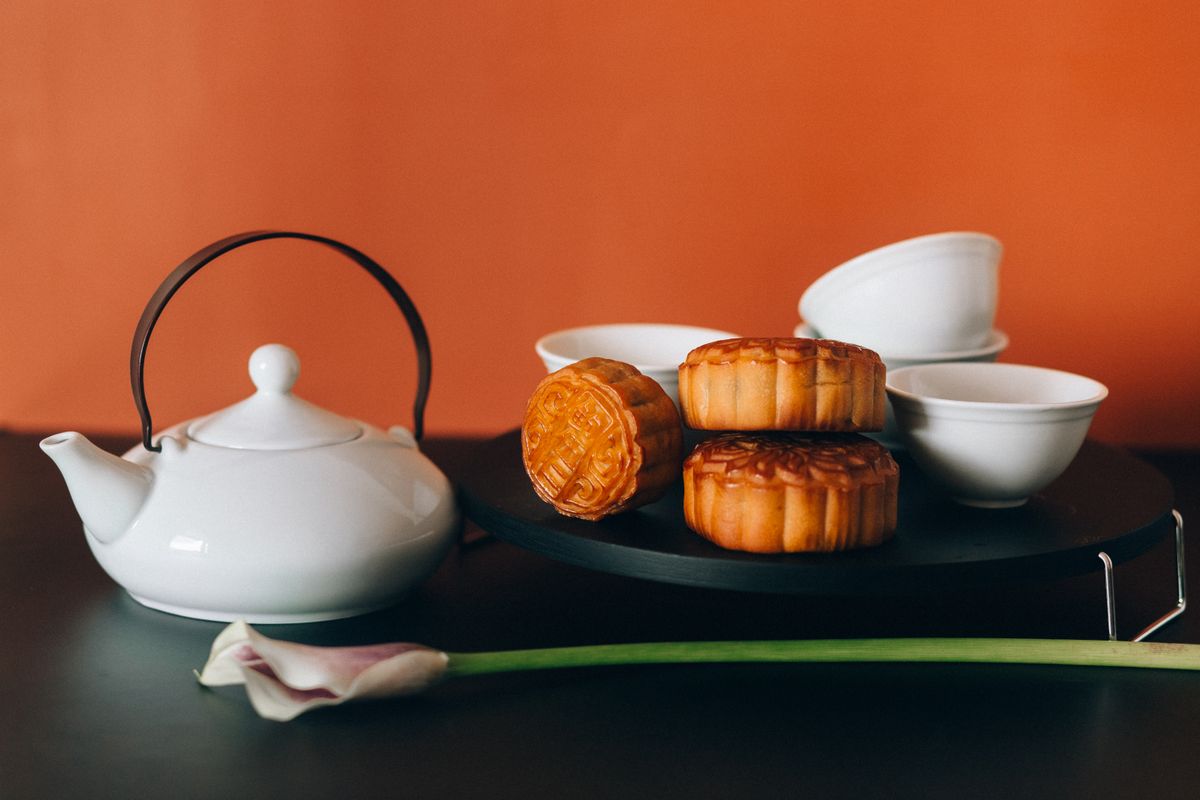
Mooncake surfaces and boxes often carry motifs: flowers, moon imagery, rabbits, characters, brand marks, family wishes, or ornate patterns. The mold turns the pastry into a message before anyone eats it. Gift boxes can be beautiful, excessive, modest, homemade, or store-bought. This object part matters because many people see mooncakes first as a decorated gift. Read the object without assuming that expensive packaging equals stronger festival meaning.
Object detail also helps with images. A photo of a sliced mooncake shows filling, density, and sharing. A photo of a mold shows how pattern enters the pastry. A gift box shows social presentation but may hide the food. A moon-viewing table shows the festival setting. The explanation can use these visual cues to explain what the person is seeing, then keep packaging from overpowering the family and moon-viewing meanings of Mid-Autumn.
Molds, motifs, and boxes for Mooncakes for Mid-Autumn uses Activity context starts with choosing gifts, tasting styles, and explaining symbolism. Gift choice, tasting, family visit, workplace etiquette, and regional pastry comparison each ask for a different answer. As the working example. Use object detail to make the mooncake guide visually and culturally specific. A host, guest, teacher, traveler, or organizer needs the setting named before the custom expands.
Molds motifs boxes for festival Mooncake should finish around someone's next use. Mooncake stays grounded through Mid-Autumn season; Cantonese, Suzhou, snow-skin, and regional mooncakes; choosing gifts, tasting styles, and explaining symbolism; Mooncake customs vary by Cantonese, Suzhou, snow-skin, regional pastry, gift-box, workplace, family, and diaspora settings; taste and etiquette should be explained with that range visible.. The article can then link to the festival hub without sounding like a directory.
Molds motifs boxes setting for festival Mooncake changes Mooncakes for Mid-Autumn by setting: a reunion meal, school note, temple visit, market, parade, or quiet family visit each asks for different detail. Name the scene first, then move to the festival hub only when the next question is more specific.
Common Misreads
The first mistake is treating mooncakes as the entire Mid-Autumn Festival. Moon viewing, family gathering, lanterns in some places, stories, tea, fruit, and local outings still matter. The second mistake is ranking styles by authenticity when region and occasion control preference. The third mistake is using gift-box marketing as cultural explanation. The fourth mistake is ignoring serving context: a rich mooncake is often sliced and shared, not eaten like a casual snack by everyone at the table.
Another mistake is turning mooncake advice into obligation. Some families eat only a little, some receive more boxes than they can finish, some prefer fruit or tea, and some younger people know modern flavors first. A guide should not shame those choices. It should explain what the pastry can mean, how to choose respectfully, and where the broader festival context lives. That keeps mooncakes important without making them the only valid Mid-Autumn action.
Common misreads for Mooncakes for Mid-Autumn should sort the remaining need through the scene: Activity context starts with choosing gifts, tasting styles, and explaining symbolism. Gift choice, tasting, family visit, workplace etiquette, and regional pastry comparison each ask for a different answer., Common food context: Cantonese, Suzhou, snow-skin, and regional mooncakes. These examples are cultural anchors, not a universal menu for all Chinese families., timing, or local etiquette. Name mistakes around authenticity, gifts, and Mid-Autumn scope. Only the unresolved piece should move to the festival hub.
Common misreads for festival Mooncake uses the festival scene as the test case. Festival context here is Mid-Autumn season; Cantonese, Suzhou, snow-skin, and regional mooncakes; choosing gifts, tasting styles, and explaining symbolism; Mooncake customs vary by Cantonese, Suzhou, snow-skin, regional pastry, gift-box, workplace, family, and diaspora settings; taste and etiquette should be explained with that range visible.. If the remaining question is date, food, etiquette, or local planning, the festival hub should take over that smaller job.
Where To Read Next
Open Mid-Autumn Festival when the person wants the full moon-viewing and family-gathering frame. Open moon-viewing picnic when the question is a family outing with tea, fruit, and sky timing. Open Hong Kong Mid-Autumn when lantern nights and public displays shape the experience. Open seasonal foods when mooncakes need comparison with tangyuan, zongzi, qingtuan, or dumplings. Open the lunar date converter before planning the current year's celebration or gift timing.
A buyer should go next to recipient and ingredient decisions. A teacher should go next to family activities or school calendar notes. A traveler should go next to regional public-event pages. A beginner should go back to Mid-Autumn before reading mooncake styles in isolation. These paths keep the mooncake guide focused: it handles object, taste, sharing, and gift context, then sends festival, region, date, and activity questions to pages that can answer them better.
Mooncakes for Mid-Autumn where to read next should finish with something the person can do: compare a date, choose one food, ask a host, check a public notice, or open the festival hub. Guide mooncake people into Mid-Autumn, moon viewing, regional displays, seasonal foods, and activities.
Read next for festival Mooncake uses the festival scene as the test case. Festival context here is Mid-Autumn season; Cantonese, Suzhou, snow-skin, and regional mooncakes; choosing gifts, tasting styles, and explaining symbolism; Mooncake customs vary by Cantonese, Suzhou, snow-skin, regional pastry, gift-box, workplace, family, and diaspora settings; taste and etiquette should be explained with that range visible.. If the remaining question is date, food, etiquette, or local planning, the festival hub should take over that smaller job.
Read next setting for festival Mooncake changes Mooncakes for Mid-Autumn by setting: a reunion meal, school note, temple visit, market, parade, or quiet family visit each asks for different detail. Name the scene first, then move to the festival hub only when the next question is more specific.