Last Evening Of The Lunar Year
Reunion dinner belongs to the last evening of the lunar year. That timing matters because the meal is a threshold before the first day of the first lunar month, not a random New Year party. A family may cook at home, reserve a restaurant, gather in a smaller group, call relatives by video, or shift the meal when travel and work make the exact evening difficult. The cultural center is reunion before the year turns, not the demand that every household sit at the same kind of table.
The origin story to keep in view is the threshold between old and new. Spring Festival accounts often connect the year turn with household renewal, reunion, red decoration, and wishes for safety and abundance; the dinner carries that story at table level. It is not a single ancient recipe list. It is the moment when food, travel, elders, children, greetings, and the coming first morning are gathered into one family scene before the year changes.
Begin with calendar position and family role. Check the lunar New Year's Eve date, then ask who is gathering, where the meal happens, whether elders or children are present, and whether the setting is mainland, Taiwan, Hong Kong, Southeast Asian Chinese, or an overseas community. Those details change the menu and etiquette. They also keep the dinner guide separate from the broader Chinese New Year guide, which covers greetings, visits, public celebration, and the first day.
Last evening of the lunar year for Reunion dinner is clearest when last evening of the lunar year is tied to a real use: family meal, travel, class handout, public event, or greeting. Anchor the meal to New Year's Eve before describing dishes or etiquette. Send the person to the festival hub only after the date question narrows.
Plan The Table Around People
The first planning question is not which dish is correct. It is who the meal serves. A table with grandparents may emphasize familiar dishes and seating respect. A young family may choose fewer dishes and child-friendly foods. Migrant workers, students, or overseas relatives may join by video or gather on a nearby weekend. A restaurant banquet may solve space and labor problems while still carrying the reunion idea. The explanation helps people name these choices instead of judging them against one ideal image.
Preparation often starts before the evening. Families may clean, shop, prepare fillings, buy fruit, set out sweets, plan travel, and decide who cooks. Some dishes are made because elders remember them; others appear because they are convenient or available. A host explaining the dinner to guests can say that the meal marks reunion and a fresh start, then name the household's own menu. That is more accurate than presenting a national checklist.
Plan the table around people for Reunion dinner gives Chinese New Year's Eve Dinner food a setting before broad claims. Make the dinner feel like a family setting rather than a dish inventory. Region, budget, allergies, ingredients, and household memory can all change the plate.
Plan table around for festival New Dinner should explain why the dish appears and how far the claim travels. Plan table around uses last evening of the lunar year; fish, dumplings, hot pot, niangao, and regional banquet dishes; family seating, symbolic dishes, and staying up for the New Year; The reunion dinner changes with family size, travel, restaurant booking, regional banquet dishes, northern dumplings, southern hot pot or seafood, and overseas kitchens using available ingredients.. The strongest next step is the explanation that owns the remaining table question.
Plan table around setting for festival New Dinner changes Reunion dinner by setting: a reunion meal, school note, temple visit, market, parade, or quiet family visit each asks for different detail. Name the scene first, then move to the festival hub only when the next question is more specific.
Symbolic Dishes Are Choices
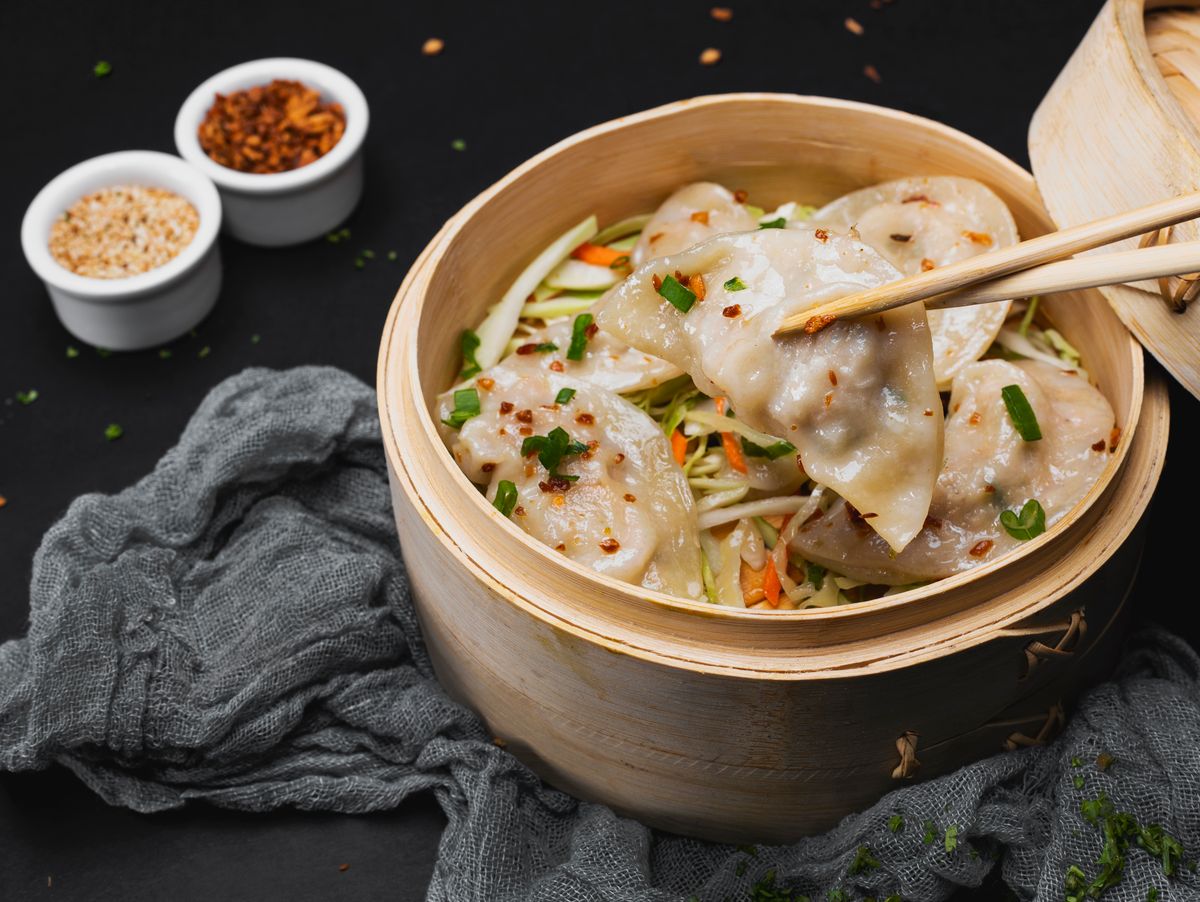
Commonly explained dishes include fish for surplus language, dumplings in many northern family settings, niangao for rising-year wordplay, chicken for wholeness in some menus, spring rolls, hot pot, vegetables, citrus fruit, sweets, and regional banquet dishes. These foods work through names, shapes, sounds, seasonal availability, and memory. They are choices that carry wishes; they are not a required checklist. A table can be meaningful with only a few symbolic dishes if the family understands why they are there.
The food section should therefore ask what job the dish has. Is the person choosing a restaurant menu, writing a school note, hosting guests, cooking with children, or comparing regional practice? Dumplings deserve a link to northern winter and New Year tables. Fish belongs with surplus symbolism but still depends on household taste. Hot pot can work as a shared table format. Niangao and sweets may be easier for classroom explanation. The answer changes by question.
Symbolic dishes are choices for Reunion dinner should finish with something the person can do: compare a date, choose one food, ask a host, check a public notice, or open the festival hub. Explain food symbolism while protecting regional and household variation.
Symbolic dishes choices for festival New Dinner begins with Activity context starts with family seating, symbolic dishes, and staying up for the New Year. Seating, travel, restaurant bookings, elder greetings, and symbolic dishes need family role and timing visible.. Symbolic dishes choices uses last evening of the lunar year; fish, dumplings, hot pot, niangao, and regional banquet dishes; family seating, symbolic dishes, and staying up for the New Year; The reunion dinner changes with family size, travel, restaurant booking, regional banquet dishes, northern dumplings, southern hot pot or seafood, and overseas kitchens using available ingredients.. Use that scene to show whether the person is planning a meal, visit, lesson, public outing, or family note.
From Dinner To Staying Up
The meal does not end the evening for many families. New Year's Eve can continue with talking, watching a broadcast, preparing greetings, setting out snacks, giving children attention, staying up for the year change, and getting ready for the first morning. Some families keep old sayings about avoiding unlucky words or keeping the evening cheerful. Other families treat those sayings lightly. The explanation can explain the rhythm without pretending every household follows the same rule set.
Staying up is best described as a transition practice: the family crosses from the old year into the new together. A guest does not need to perform every custom. They can offer greetings, avoid negative talk, ask before photographing family moments, and follow the host's lead. If red envelopes appear that night or the next morning, the details belong to relationship, age, and household habit. The dinner guide should link to hongbao etiquette instead of burying it in one paragraph.
From dinner to staying up for Reunion dinner keeps the food symbolic without making it compulsory. Connect the meal to the evening rhythm without turning it into a superstition list. Use the festival hub when the person needs a narrower date, custom, or food guide.
Dinner staying up for festival New Dinner starts from the food's job at the table. Dinner staying up should keep last evening of the lunar year; fish, dumplings, hot pot, niangao, and regional banquet dishes; family seating, symbolic dishes, and staying up for the New Year; The reunion dinner changes with family size, travel, restaurant booking, regional banquet dishes, northern dumplings, southern hot pot or seafood, and overseas kitchens using available ingredients. Visible. Common food context: fish, dumplings, hot pot, niangao, and regional banquet dishes. These examples are cultural anchors, not a universal menu for all Chinese families. Should be tied to a household, gift, public stall, class sample, or regional memory before it sounds universal.
Regional and Diaspora Tables
Regional difference is visible at the table. Northern explanations often emphasize dumplings, while many southern tables may foreground rice cakes, seafood, poon choi-style banquets, soups, hot pot, or different sweets depending on community. Jiangnan, Cantonese, Minnan, Chaoshan, Sichuan, Hong Kong, Taiwan, and overseas settings can all change ingredients and serving style. A diaspora dinner may use supermarket substitutions, potluck dishes, restaurant sets, or mixed-family menus.
That variation is not a problem to smooth away. It is the main reason the dinner deserves its own guide. Someone should be able to compare the dish in front of them with broader Spring Festival meaning. If their table has dumplings, explain why dumplings appear in many northern contexts. If their table has hot pot, explain shared warmth and convenience without calling it universal. If their table has pizza next to fish and fruit, explain diaspora adaptation honestly.
Regional and diaspora tables for Reunion dinner should put regional difference near the claim it changes. Make local menu difference explicit before people copy one dinner. Food, language, public schedule, family order, and overseas practice can all move in different directions.
Regional diaspora tables for festival New Dinner keeps variation attached to the claim it changes. Festival context here depends on last evening of the lunar year; fish, dumplings, hot pot, niangao, and regional banquet dishes; family seating, symbolic dishes, and staying up for the New Year; The reunion dinner changes with family size, travel, restaurant booking, regional banquet dishes, northern dumplings, southern hot pot or seafood, and overseas kitchens using available ingredients.. Use the festival hub when the person needs a case study instead of a broad festival explanation.
Regional diaspora tables setting for festival New Dinner changes Reunion dinner by setting: a reunion meal, school note, temple visit, market, parade, or quiet family visit each asks for different detail. Name the scene first, then move to the festival hub only when the next question is more specific.
Misread Examples
One mistake is asking for the authentic reunion dinner menu. A better question is whose table, which region, which budget, which guests, and which memory. Another mistake is treating symbolic foods as magical requirements. Fish, dumplings, niangao, or hot pot can carry wishes, but they do not make or break the holiday. A third mistake is using restaurant promotion language as if it describes every household. Restaurant banquets are one modern setting, not the whole custom.
A fourth mistake is confusing New Year's Eve dinner with the entire Spring Festival. The dinner explains family gathering before the year turns. It does not cover every first-day greeting, temple fair, lantern event, zodiac motif, or red envelope rule. A fifth mistake is treating a public countdown or city event as the family meal. Keep home, restaurant, public event, and diaspora community separate, then link to the explanation that owns the next question.
Misread examples for Reunion dinner starts with Activity context starts with family seating, symbolic dishes, and staying up for the New Year. Seating, travel, restaurant bookings, elder greetings, and symbolic dishes need family role and timing visible.. Name common mistakes before people use the dinner in writing or planning. Name who is acting, what object or food is involved, and what local check can change the answer.
Misread examples for festival New Dinner uses Chinese New Year's Eve Dinner as a case, not a directory. The usable context is last evening of the lunar year; fish, dumplings, hot pot, niangao, and regional banquet dishes; family seating, symbolic dishes, and staying up for the New Year; The reunion dinner changes with family size, travel, restaurant booking, regional banquet dishes, northern dumplings, southern hot pot or seafood, and overseas kitchens using available ingredients.. The next guide is helpful only after the exact leftover question is visible.
Where To Read Next
Open the Chinese New Year guide when the person wants the whole festival season. Open red envelopes when the question becomes who gives, who receives, timing, amount, or digital hongbao. Open northern dumplings when dumplings are the main dish. Open seasonal foods when the person wants symbolic food comparison across festivals. Open Cantonese New Year, Chinatown New Year, or other regional guides when place changes the table. Open the lunar date converter when the exact New Year's Eve date matters.
This dinner guide is clearest as a middle part. It is narrower than the Chinese New Year overview and broader than a single recipe. It helps a host explain the meal, a teacher write a note, a guest behave respectfully, and a family compare menus without ranking them. The next link should make the question smaller: etiquette, dish, region, date, or whole-festival context.
Reunion dinner where to read next should sort the remaining need through the scene: Activity context starts with family seating, symbolic dishes, and staying up for the New Year. Seating, travel, restaurant bookings, elder greetings, and symbolic dishes need family role and timing visible., Common food context: fish, dumplings, hot pot, niangao, and regional banquet dishes. These examples are cultural anchors, not a universal menu for all Chinese families., timing, or local etiquette. Connect dinner people to etiquette, foods, regional examples, and date tools. Only the unresolved piece should move to the festival hub.
Read next for festival New Dinner uses the festival scene as the test case. Festival context here is last evening of the lunar year; fish, dumplings, hot pot, niangao, and regional banquet dishes; family seating, symbolic dishes, and staying up for the New Year; The reunion dinner changes with family size, travel, restaurant booking, regional banquet dishes, northern dumplings, southern hot pot or seafood, and overseas kitchens using available ingredients.. If the remaining question is date, food, etiquette, or local planning, the festival hub should take over that smaller job.