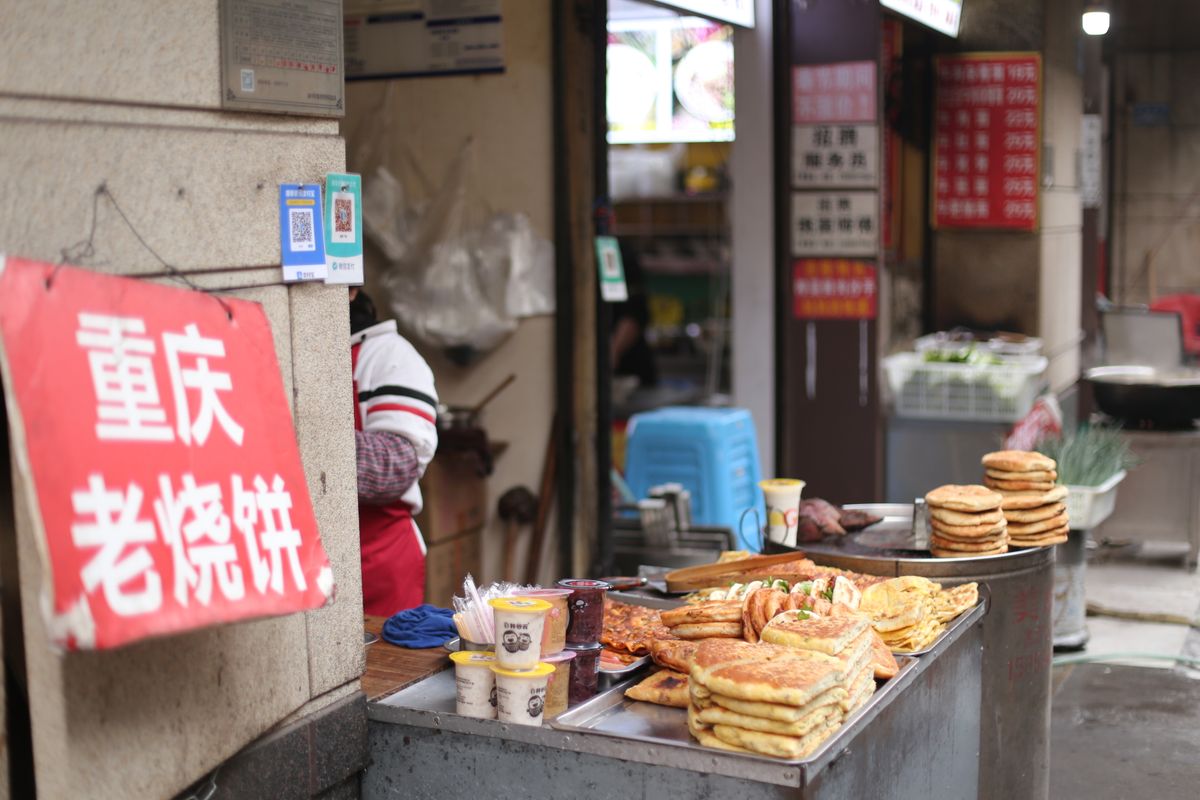
Public New Year Market, Not Home Dinner
A temple fair, often called miao hui, is best read as a public New Year-season gathering where markets, performances, snacks, folk art, temple space, and city crowd flow meet. It is not the same question as reunion dinner, red envelopes, or first-morning greetings. A family may finish the home meal and later visit a fair; a traveler may see the fair as the most visible festival scene; a city may promote it as a public cultural event. Keep those settings apart so the fair does not swallow the whole Spring Festival.
Its origin frame is the meeting of temple space, market life, performance, and seasonal worship or celebration. Older miao hui settings could gather worshippers, traders, performers, food stalls, and neighbors around a temple calendar; modern New Year fairs may keep the market and performance parts even when the person is mainly there for snacks, crafts, lanterns, or a family outing. That history is why the fair feels public and walkable rather than like a private household custom.
That separation gives temple-fair people a clear job. The fair answers where someone walks, what they may watch, what food stalls or craft booths appear, and which local rules matter. The family articles answer who gathers, who gives envelopes, and how greetings work at home. A public New Year market can be lively without becoming the whole holiday. People should leave knowing that fairgoing is one public part inside a much larger New Year season.
Timing Depends On Organizers
Temple fairs cluster around the New Year period, but the exact days belong to local organizers. A fair may open before the first lunar day, run through several days, shift around weekends, or change hours for weather, security, ticketing, transport, or temple rules. The lunar calendar tells the cultural season; the current local notice tells the visit plan. That distinction matters for search and for people because a cultural article can explain why fairs happen, but it cannot replace this year's city schedule.
A careful person therefore checks two clocks. First, check the lunar New Year season so the fair's cultural timing makes sense. Second, check the current event listing for opening days, peak hours, crowd control, subway changes, ticketing, and cancellation notices. This distinction is especially important for overseas or tourist-facing events, which often choose weekends. The festival frame explains the reason to go; the organizer tells you when the gates actually open.
Timing depends on organizers for Chinese New Year Temple Fairs keeps the family scene and the public scene from collapsing together. Explain why the traditional New Year season and the actual fair schedule are different checks. The clearest version says whether Activity context starts with performances, crafts, lanterns, and public festival markets. Public market visits need opening hours, crowd, food, performance, and transport checks before cultural explanation becomes planning. Belongs at home, in school, at a venue, or in a local street event.
Snacks, Crafts, and Performances
The fair experience often comes through the senses: candied hawthorn, noodles, pastries, grilled snacks, paper cuts, lanterns, toys, calligraphy, masks, folk crafts, lion dance, dragon dance, drumming, acrobatics, opera snippets, or storytelling depending on place. The point is not that every fair contains every item. The point is that the fair turns New Year wishes into a walkable public space. Someone can eat, watch, buy, and listen while still remembering that household rituals belong elsewhere.
Those details should be described as examples tied to stalls and stages, not as a guaranteed checklist. A small neighborhood fair may have only a few vendors and a children's performance. A major city fair may have large gates, heritage craft demonstrations, and long food lines. A temple-linked event may be quieter around prayer space. A commercial fair may foreground shopping. The explanation is stronger when it tells people what category of experience they are seeing.
Snacks, crafts, and performances for Chinese New Year Temple Fairs starts from a concrete Chinese New Year Temple Fairs situation instead of a festival checklist. Describe person-facing details as concrete fair elements, not a loose list of festival color. The date, object, people, and local notice decide how far the explanation can go.
Snacks crafts performances for festival Temple Fairs keeps the example close to the claim. Snacks crafts performances should keep New Year period in many cities; street snacks, candied fruit, noodles; performances, crafts, lanterns, and public festival markets; Temple fairs are public-event customs, so city permits, temple grounds, market stalls, performances, safety rules, and weekend scheduling matter more than a single traditional date. Visible. Name the festival setting first, then let the next guide answer only the question that remains.
Temple Space and Guest Etiquette
Temple-fair etiquette depends on whether the site is a temple courtyard, a park, a street market, a heritage venue, or a staged community event. People should follow crowd paths, respect incense or prayer areas, ask before photographing private ritual moments, avoid blocking performers, and keep children clear of drums, fire, kitchens, and dense queues. A fair can feel festive and commercial, but some spaces still carry religious or community meaning. The safest person behavior is to follow signage and local hosts.
Photography deserves a separate caution because fairs are visually tempting. Take pictures of lanterns, gates, and food stalls where allowed, but pause around worship, elders, performers preparing backstage, children, and offering tables. If the fair includes temple space, speak quietly near ritual areas and do not treat incense or statues as props. If the fair is mostly a city market, etiquette shifts toward crowd patience, queueing, litter control, and respect for vendor rules.
Temple space and person etiquette for Chinese New Year Temple Fairs should make etiquette conditional and usable. Give usable boundaries for behavior in religious, folk, or crowded public settings. Ask the host, avoid mocking meaningful practice, and keep folk sayings from becoming universal law.
Temple space person for festival Temple Fairs keeps caution usable. Temple space person should keep New Year period in many cities; street snacks, candied fruit, noodles; performances, crafts, lanterns, and public festival markets; Temple fairs are public-event customs, so city permits, temple grounds, market stalls, performances, safety rules, and weekend scheduling matter more than a single traditional date. Close to the explanation. The person should know what to ask, avoid, check, or leave to the host before opening the festival hub.
Regional and Diaspora Versions
A northern city fair, a southern flower market, a Hong Kong public event, a Taiwan lantern-linked gathering, and an overseas Chinatown weekend festival can all sit near the New Year season while feeling different. Some emphasize temple space, some shopping, some performances, some food stalls, some parades, and some school-friendly activities. Name the setting before giving advice. Otherwise someone may mistake one city tradition or one tourism poster for the entire public side of Spring Festival.
Diaspora events especially need careful wording. A Chinatown New Year weekend may combine lion dance, sponsors, food booths, community associations, elected officials, school groups, and tourism promotion. That can be a meaningful public celebration even if it does not happen on the first lunar day. A mainland temple fair may feel more connected to temple space or folk markets. Both belong in New Year public culture, but the person needs to know which place is being described.
Regional and diaspora versions for Chinese New Year Temple Fairs needs wording such as many families, some regions, this city, this household, or this public event. Make place visible before people generalize one fair into all public New Year events. That lets variation stay visible without ranking customs.
Regional diaspora versions for festival Temple Fairs should show whether the example is household, regional, public, or diaspora. Regional diaspora versions should keep New Year period in many cities; street snacks, candied fruit, noodles; performances, crafts, lanterns, and public festival markets; Temple fairs are public-event customs, so city permits, temple grounds, market stalls, performances, safety rules, and weekend scheduling matter more than a single traditional date. Visible. That prevents a local habit from sounding national.
Common Misreads
The first mistake is calling every New Year public event a temple fair. A parade, lantern night, shopping street, flower market, and temple fair can overlap, but they are not identical. The second mistake is making the fair a substitute for the family festival. Reunion dinner, visits, red envelopes, and household taboos still need their own pages. The third mistake is promising snacks, dates, or performances without current local evidence. The fair article can explain the cultural pattern; the organizer controls the day.
Another mistake is writing only spectacle. Crowds, red gates, drums, and snacks are visible, but the fair also asks usable questions: where is the entrance, whether tickets are needed, whether the temple area has rules, whether children can handle the crowd, and whether photos are appropriate. Cultural meaning becomes usable when it is paired with those visit decisions. Without them, the fair becomes a postcard instead of a guide.
Common misreads for Chinese New Year Temple Fairs should treat Common food context: street snacks, candied fruit, noodles. These examples are cultural anchors, not a universal menu for all Chinese families. Or Activity context starts with performances, crafts, lanterns, and public festival markets. Public market visits need opening hours, crowd, food, performance, and transport checks before cultural explanation becomes planning. As the working example, not a directory of customs. Name mistakes that create generic or misleading temple-fair copy. The next guide belongs to the leftover date, food, visit, or comparison need.
Where To Read Next
Open Chinese New Year when the person wants the full home-and-public festival frame. Open reunion dinner when the question turns to the family table. Open red envelopes when the issue is greeting etiquette. Open Chinatown New Year when weekend parades or diaspora schedules shape the public event. Open seasonal foods when snacks become the main topic. Open the lunar date converter before planning around a current-year fair. The temple-fair page stays clear because each next step narrows the job.
Someone planning a trip should pair this explanation with a current event source. A teacher planning a lesson can use the family activities path for safe craft or market vocabulary. A food-focused person can move to seasonal foods and compare snacks with festival dishes. Someone confused by lantern displays can open Lantern Festival and separate first-month night events from broader New Year fairs. The internal links should keep public space, home customs, date checks, and food questions separate.
Chinese New Year Temple Fairs where to read next works when Chinese New Year Temple Fairs feels like a real plan rather than a summary. Guide fair people into household, food, date, region, and public-event paths. A host, student, traveler, guest, or family member should know which smaller check comes next.
Read next for festival Temple Fairs begins with Activity context starts with performances, crafts, lanterns, and public festival markets. Public market visits need opening hours, crowd, food, performance, and transport checks before cultural explanation becomes planning.. Read next uses New Year period in many cities; street snacks, candied fruit, noodles; performances, crafts, lanterns, and public festival markets; Temple fairs are public-event customs, so city permits, temple grounds, market stalls, performances, safety rules, and weekend scheduling matter more than a single traditional date.. Use that scene to show whether the person is planning a meal, visit, lesson, public outing, or family note.